Wondering whether to stay in your Upper East home or make a smaller move is not just a real estate question. In Santa Barbara, it is often a lifestyle, tax, and long-term planning decision all at once. If you own a longtime home in the Upper East, this guide will help you weigh what matters most so you can move forward with more clarity and less stress. Let’s dive in.
Why This Choice Feels So Big
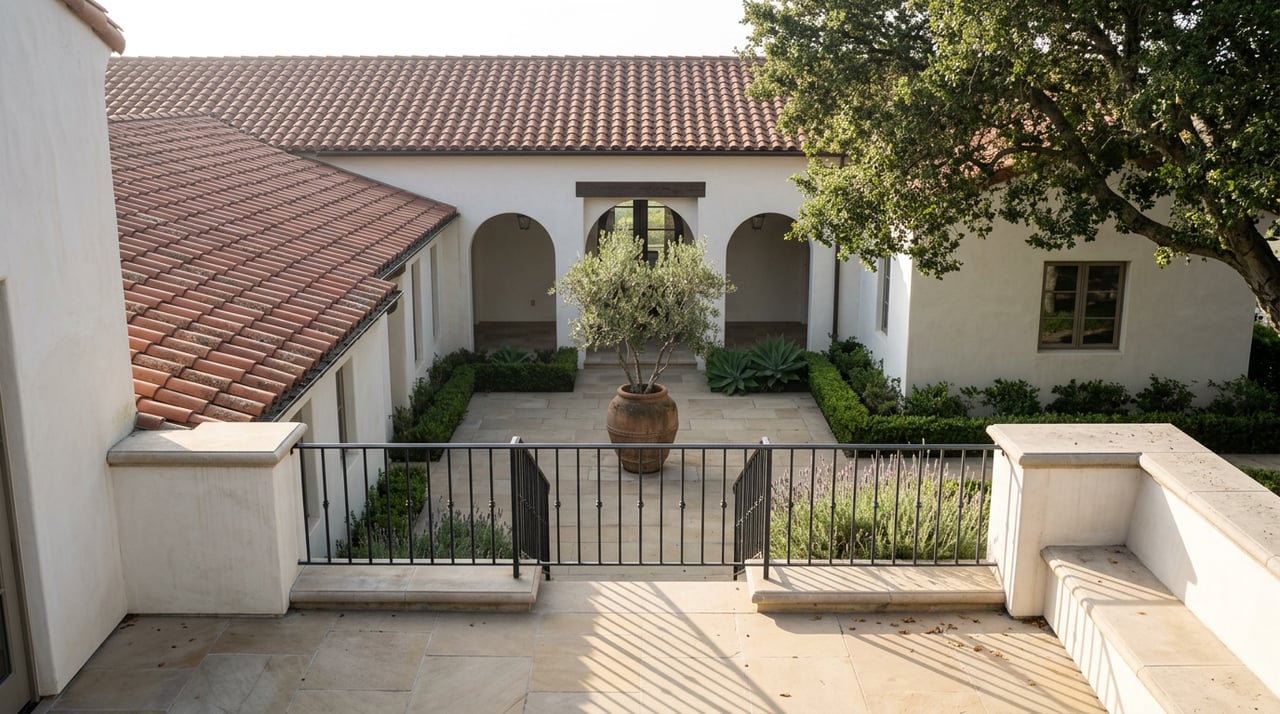
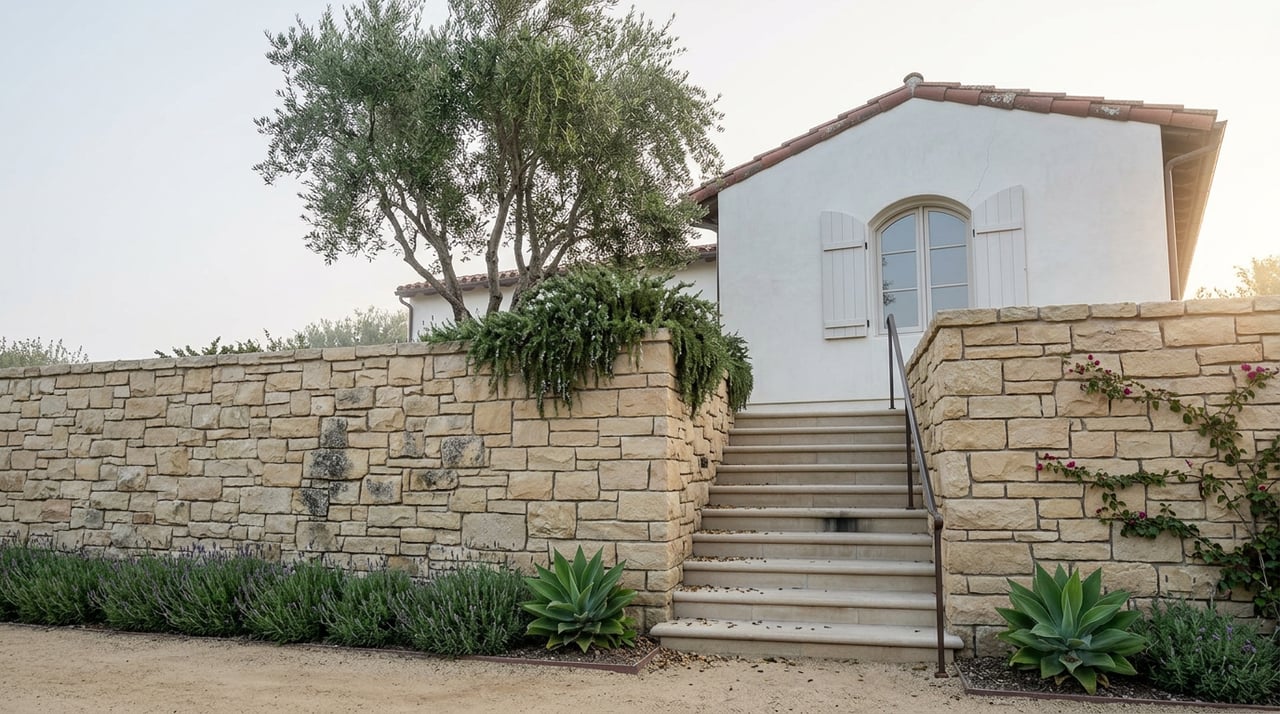
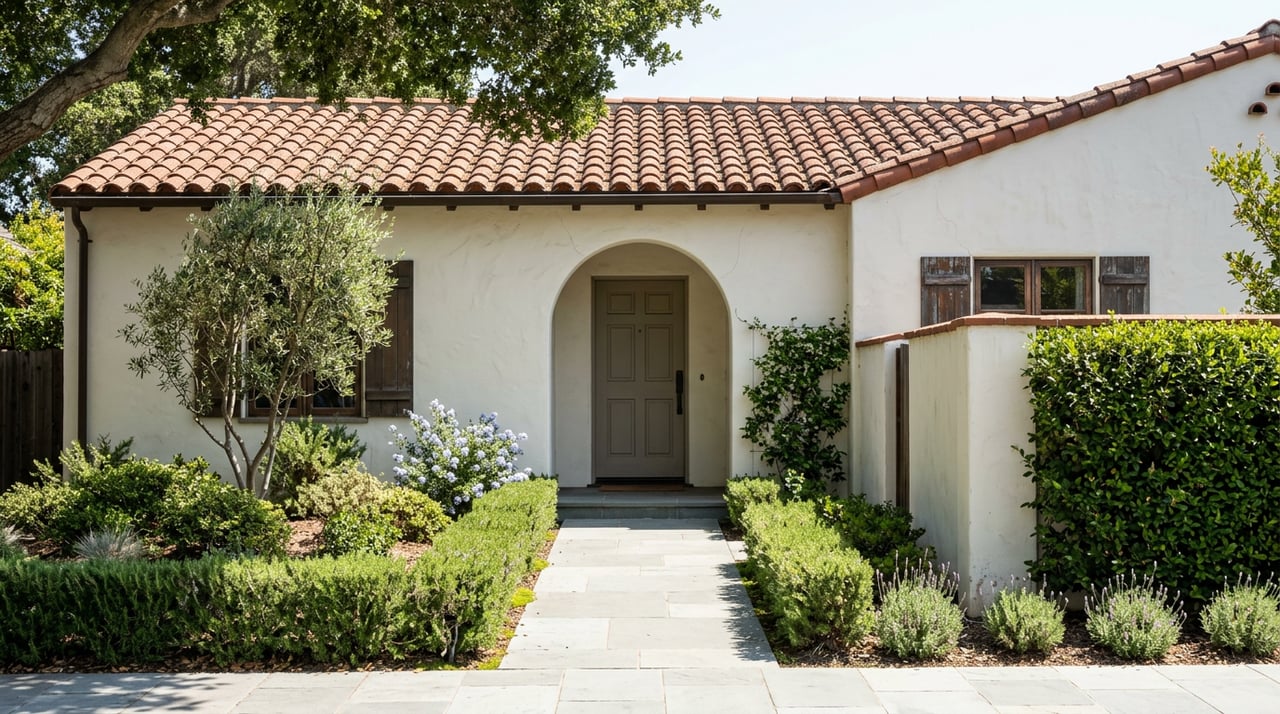
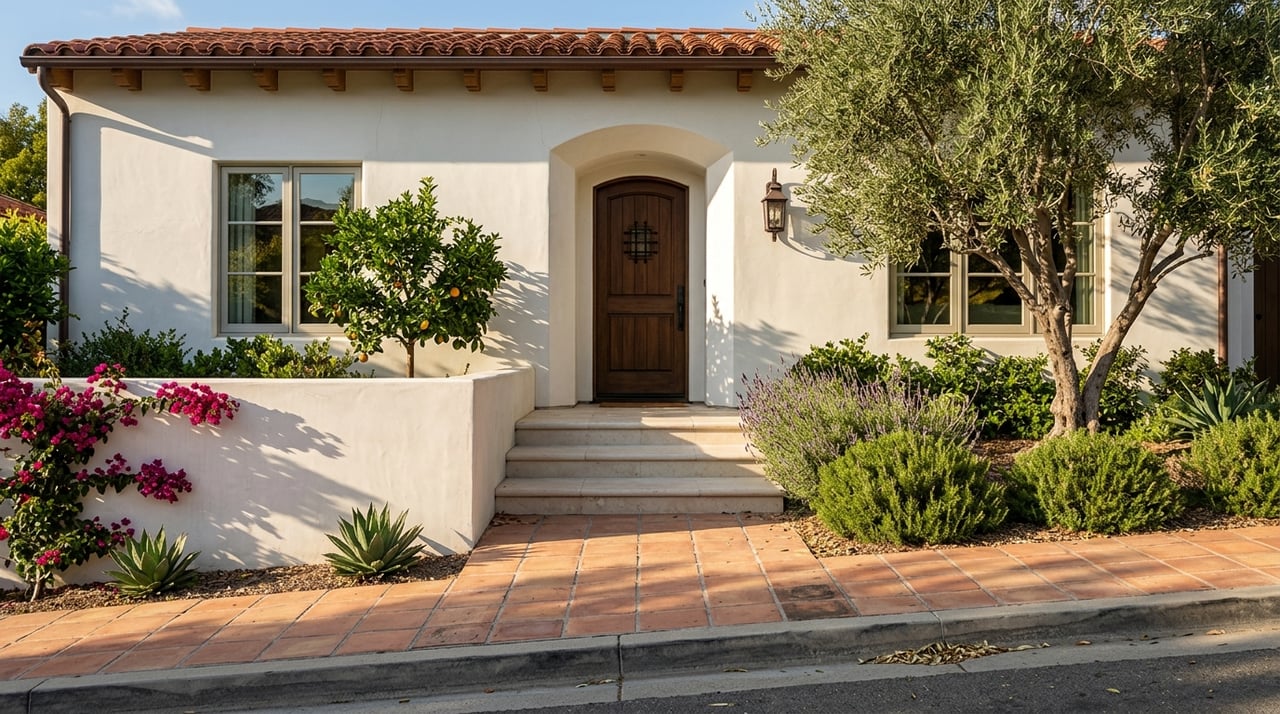
The Upper East is one of Santa Barbara’s established residential areas, with about 377 acres and roughly 1,436 dwelling units. Parts of the neighborhood include spacious single-family homes on larger lots, and significant portions are within the El Pueblo Viejo Historic Landmark District.
That setting is part of what makes the area so appealing. You may be close enough to downtown to walk, bike, or use public transit, while still living in a primarily residential neighborhood. At the same time, major traffic corridors run through the area, so convenience and daily ease can vary by property.
Santa Barbara is also an older and high-value housing market. The city’s 2025 population estimate was 86,422, and 20.6% of residents were age 65 or older. In the 2020 to 2024 ACS, the median owner-occupied home value in the city was $1,570,800, and the 2025 median single-family sale price in the city was $2.495 million.
That means your decision may have less to do with square footage and more to do with equity, taxes, maintenance, mobility, and support. For many Upper East owners, the real question is simple: does your current home still fit the life you want over the next few years?
Reasons You May Want to Stay Put
For some owners, staying makes perfect sense. If your home is comfortable, your routines work well, and your support system is already nearby, aging in place can be the most practical and emotionally satisfying option.
The Upper East’s historic character is one reason many owners hesitate to leave. If your home sits within El Pueblo Viejo, exterior changes and new construction fall under Historic Landmarks Commission review. Even non-contributing properties in the district may need exterior changes that fit traditional design guidance.
That does not mean you cannot make updates. It does mean that accessibility projects on the outside of the home may take more planning than expected. If you are thinking about ramps, exterior lifts, railings, or other visible changes, review requirements early.
Transportation can also support a stay-put plan. Santa Barbara offers accessible parking information, accessible pedestrian signals, and a process for requesting removal of physical barriers in the public right-of-way. Santa Barbara MTD reports that all buses have wheelchair lifts or ramps, and seniors age 65 and older and riders with disabilities pay a reduced one-way fare of $1.25.
For residents who cannot use regular public transportation because of limited mobility, Easy Lift provides wheelchair-accessible Dial-a-Ride service. These options can make a meaningful difference if driving becomes harder over time.
Support services matter too. Santa Barbara County residents age 60 and older can access free aging-in-place case management through Family Service Agency. That support can include help with food, health care, in-home services, financial assistance, and transportation.
The Hidden Costs of Staying
Even when you love your home, keeping it may become harder than it once was. In Upper East, the challenge is often not the neighborhood itself. It is the ongoing work that comes with an older property, a larger lot, or a home that no longer fits your physical needs.
One local issue many owners overlook is sidewalk and frontage responsibility. Santa Barbara maintains about 300 miles of sidewalks, but property owners are responsible for the sidewalks in front of their property and for parkway vegetation that could block accessible passage or sight lines.
That can add up over time. Yard work, tree care, hardscape upkeep, and routine exterior maintenance may start to feel like too much, even if you still enjoy the home.
Safety planning is another factor. The city states that future wildfire is a certainty over time, and parcels in high fire hazard areas face separate requirements, including defensible-space standards. Santa Barbara County and the city also maintain earthquake and tsunami preparedness resources that encourage advance planning and evacuation awareness.
If evacuation logistics feel harder than they used to, that deserves real attention. A home can still be beautiful and meaningful, but no longer be the easiest or safest fit for your next chapter.
When Downsizing in Santa Barbara Makes Sense
Right-sizing locally can be a smart middle ground. If you want to keep your Santa Barbara connections but reduce stairs, yard work, parking friction, or future maintenance, moving to a smaller or easier home may offer the best of both worlds.
This is where taxes become especially important. For California homeowners age 55 and older, disabled homeowners, and certain disaster victims, Proposition 19 allows the taxable base-year value of a principal residence to transfer to a replacement principal residence anywhere in California.
In most cases, the replacement home must be purchased or newly built within two years of the sale of the original home. The California Board of Equalization states that eligible homeowners may use this transfer up to three times. If the replacement home costs more than the equal-or-lesser-value threshold, the excess is added to the transferred base value.
This can make a local move far more realistic than many owners expect. Instead of assuming a move will always mean a much higher tax burden, it is worth reviewing the numbers carefully.
Santa Barbara County also offers a homeowners exemption that reduces assessed value by $7,000 for an owner-occupied principal residence as of January 1. It is modest compared with local home values, but it still belongs in a side-by-side cost comparison.
Why Market Timing Matters
Selling and buying again in Santa Barbara requires careful planning. UCSB’s 2026 outlook reported that Santa Barbara County homes sold in a median 18.5 days in February 2026, while the city’s 2025 median single-family sale price reached $2.495 million.
In other words, the market can move quickly. It is not enough to know what your current home may sell for. You also need to understand what a replacement property will cost, how your property taxes may change, and what your monthly carrying costs may look like after the move.
That is especially important if your goal is to simplify life, not just change addresses. A move only helps if it truly reduces stress, upkeep, or future risk.
When a Broader Move May Be Better
Sometimes the best answer is not staying put or downsizing within Santa Barbara. In some cases, a move outside the area may better support your health, caregiving needs, or daily quality of life.
That may be true if your current home requires too much hands-on upkeep, if wildfire or evacuation concerns feel unmanageable, or if being closer to family or medical support would make life easier. Transit and paratransit options can help, but they may not fully replace the daily support some households need.
Before investing in major improvements, it is wise to confirm whether your property sits in a historic district or a high fire hazard area. Exterior changes in El Pueblo Viejo may require historic compatibility review, and wildfire exposure should be checked using the city’s parcel-level hazard resources.
If your long-term plan involves significant upgrades, these factors may shape whether staying is truly practical. In some cases, buying a smaller or more accessible home may be simpler than adapting a property that has become burdensome.
A Simple Framework for Your Decision
If you feel stuck, use this simple framework to organize your thinking.
Stay put if these are true
- Your home feels safe enough for the next few years
- Maintenance is still manageable
- Transportation options work for your routine
- Your support network is already in place
- The home still fits your mobility needs or can be adapted realistically
Right-size locally if these are true
- The house feels too large or too hard to navigate
- You want less yard work or fewer stairs
- You want to stay connected to Santa Barbara
- Prop 19 may improve the tax picture
- A smaller or easier property would better match your next chapter
Move elsewhere if these are true
- Care needs are increasing
- Family support is stronger in another area
- Evacuation or wildfire concerns feel overwhelming
- The property demands more work than you want to manage
- Daily living would be easier closer to care or medical support
Five Smart Next Steps
You do not need to decide everything at once. A clear process can make this choice feel much more manageable.
1. Check the property facts
Confirm whether your parcel is in a historic district or a high fire hazard area. These details can affect both renovation plans and long-term safety planning.
2. Review the tax picture
Ask for a property-tax review that includes Proposition 19 eligibility and the homeowners exemption. This is one of the most important steps if you are 55 or older and considering a move.
3. Compare real alternatives
Look at your current home next to at least one in-city option and one out-of-area option. Compare stairs, bathroom access, yard work, parking, transit, and likely monthly cost using the same checklist.
4. Map your support system
Think through family help, case management, transportation, and emergency-preparedness contacts. A good housing plan works better when it matches the support you can actually count on.
5. Build the right team
Before making an irreversible move, bring in the right professionals. That may include a real estate professional, a tax adviser, and when needed, an elder-care or estate-planning professional.
The Best Choice Is the One That Fits Your Life
There is no one-size-fits-all answer for Upper East owners. Some people are happiest staying in the home they know, while others gain real relief by moving to something simpler, safer, or closer to support.
What matters most is that your home matches your life now, not just your life ten or twenty years ago. When you look honestly at maintenance, taxes, mobility, transportation, and future care needs, the right path often becomes clearer.
If you want a calm, informed conversation about your options in Santa Barbara, All About Seniors is here to help you think through downsizing, aging in place, and next steps at your pace.
FAQs
What should Upper East homeowners in Santa Barbara consider before aging in place?
- Upper East homeowners should review maintenance demands, mobility needs, transportation options, support services, sidewalk and vegetation responsibilities, and whether the property is in a historic district or high fire hazard area.
How does Proposition 19 help Santa Barbara homeowners who want to downsize?
- Proposition 19 may allow eligible California homeowners age 55 and older, disabled homeowners, and certain disaster victims to transfer the taxable base-year value of their principal residence to a replacement principal residence anywhere in California, subject to state rules and timing requirements.
Why does historic district status matter for Upper East homes?
- In parts of Upper East that fall within El Pueblo Viejo, exterior alterations and new construction may be reviewed for historic compatibility, which can affect plans for accessibility changes or major improvements.
Are there transportation options for older adults in Santa Barbara?
- Yes. Santa Barbara offers accessible public infrastructure resources, Santa Barbara MTD buses have wheelchair lifts or ramps, reduced fares are available for seniors and persons with disabilities, and Easy Lift provides wheelchair-accessible Dial-a-Ride service for eligible riders.
When is moving out of Santa Barbara the better choice for an older homeowner?
- A broader move may make more sense when caregiving needs increase, property upkeep becomes too demanding, wildfire or evacuation concerns feel unmanageable, or daily life would be easier closer to family or medical support.