If you are thinking about buying a Mission Canyon home for your next chapter, you are probably looking for more than curb appeal. You want a home that feels peaceful, fits your lifestyle, and still works well years from now. In a hillside area like Mission Canyon, that means weighing beauty alongside access, maintenance, fire readiness, and future flexibility. Let’s dive in.
Why Mission Canyon Stands Out
Mission Canyon has a distinct setting on the south-facing slopes of the Santa Ynez Mountains in Santa Barbara County. The area is known for scenic character, historic visual appeal, and close access to landmarks like Mission Santa Barbara, Rocky Nook Park, the Santa Barbara Botanic Garden, Mission Creek, and trails leading toward Los Padres National Forest.
For many buyers, that setting is the draw. You may be able to enjoy canyon views, mature landscaping, and a sense of retreat while still being connected to Santa Barbara. At the same time, Mission Canyon is an urban-wildland interface area, so the same natural beauty that makes it appealing also shapes how you should evaluate a property.
Mission Canyon Is Not One Size Fits All
One of the most important things to understand is that a Mission Canyon address can mean very different day-to-day living conditions. The community plan breaks the area into three subareas, and each one comes with its own practical tradeoffs.
South of Foothill
This is the flattest part of the plan area. Parcel sizes range from smaller lots to larger sites, and developed parcels are connected to sewer. Main access roads include Mission Canyon Road and Foothill Road.
If you are prioritizing easier navigation and simpler utility setup, this part of Mission Canyon may feel more straightforward. For buyers planning ahead, flatter terrain can also make daily living more comfortable over time.
Mission Canyon Heights
Mission Canyon Heights is steeply sloped and more densely developed. The community plan specifically highlights circulation, parking, geology, hillsides, and drainage as key issues here.
That does not mean you should rule it out. It does mean you should pay close attention to how the property functions in real life, not just how it photographs.
Upper Mission Canyon
Upper Mission Canyon has variable terrain and the largest parcels. Many homes here use onsite wastewater systems, and the area has stronger constraints tied to fire, circulation, parking, geology, hillsides, flooding, wastewater, and biological resources.
If you want more land and a more semi-rural feel, this area may be appealing. Just remember that more space often comes with more responsibility, more upkeep, and more careful due diligence.
What Homes Feel Like Here
Mission Canyon is best understood as an eclectic hillside neighborhood, not a uniform subdivision. The area includes a mix of older character homes, remodeled properties, and custom residences shaped by the landscape around them.
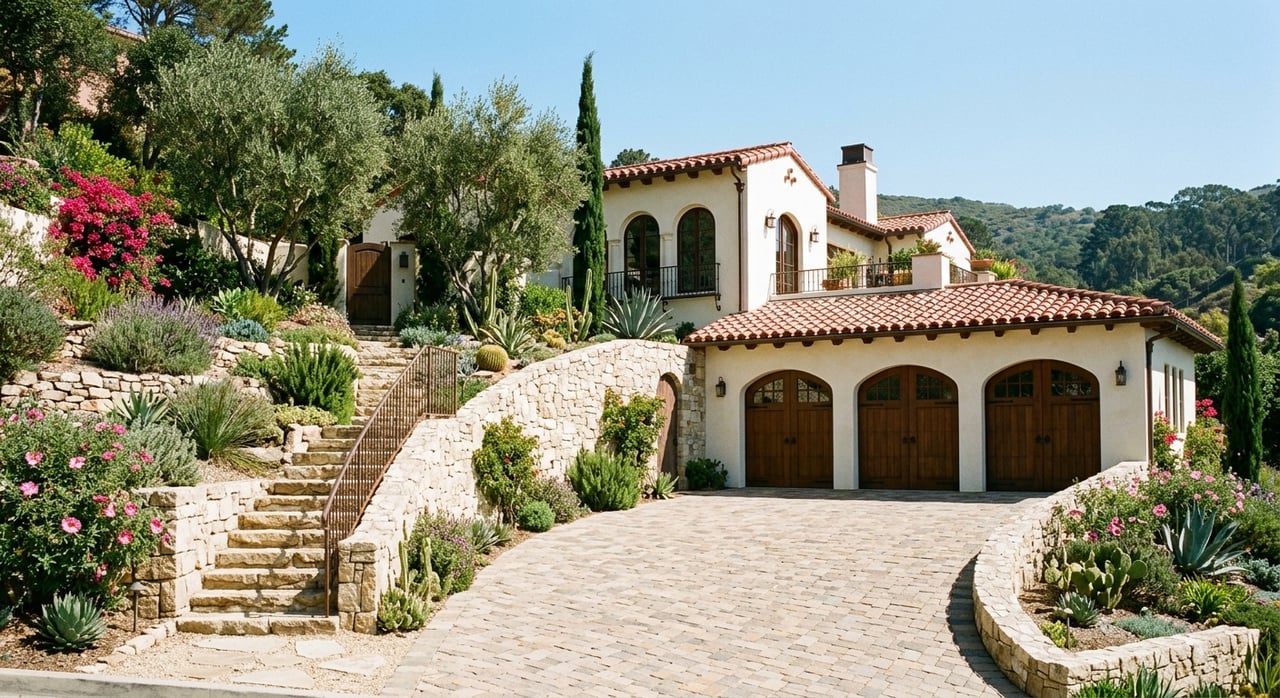
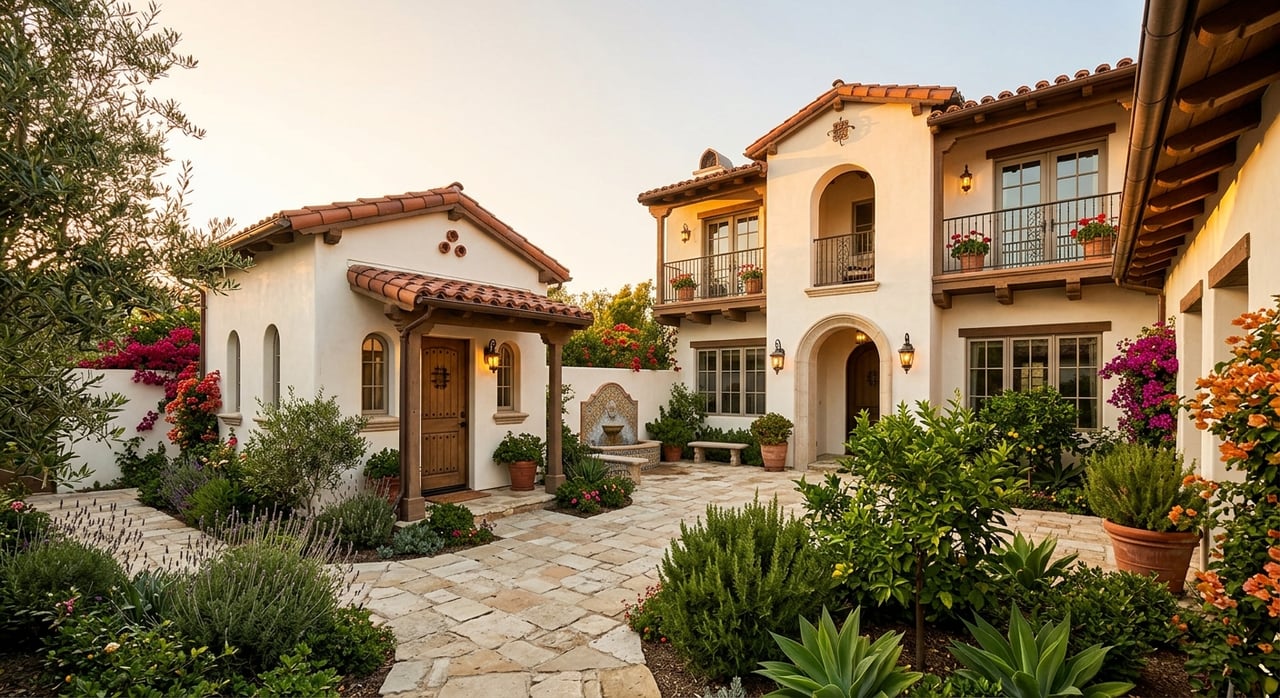
Across the broader Santa Barbara area, architectural styles often include Adobe, Craftsman, English Vernacular and Tudor, Italian Mediterranean, Mission Revival, and Spanish Colonial Revival. In Mission Canyon, buyers may also come across cottages, mid-century ranch homes, and Spanish-inspired estates.
That variety is part of the appeal. It also means each home needs to be evaluated on its own merits, including condition, siting, access, and long-term livability.
Look Beyond Beauty During Tours
A beautiful home in Mission Canyon can still be the wrong fit if the daily logistics are hard. Roads in the area are often narrow and winding, especially north of Foothill Road, and on-street parking can further limit access.
When you tour homes, think past the open house experience. Ask yourself how easy it is to get from the car to the front door, whether guests can park comfortably, and whether the route would still work well in 10 or 20 years.
Focus on Access and Mobility
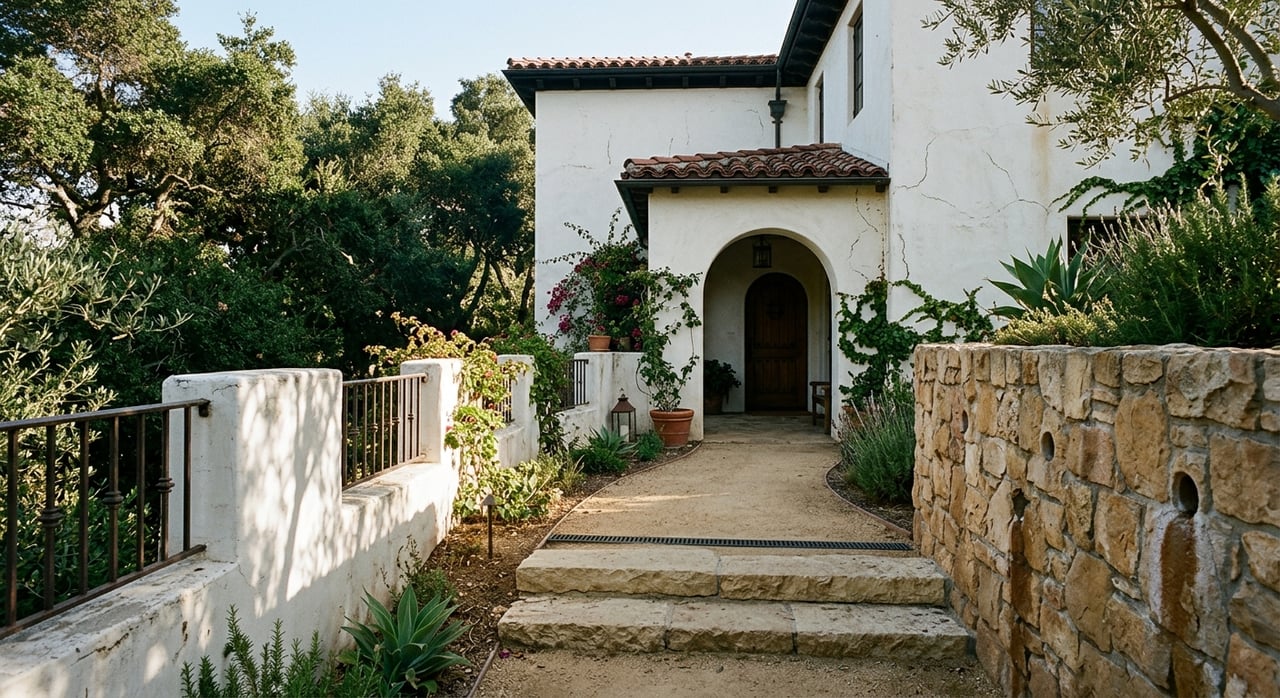
This is especially important if you are buying for a long horizon. A home may technically check your boxes but still create daily strain if it has a steep driveway, many exterior steps, or a difficult entry path.
A practical tour checklist includes:
- Parking that feels manageable
- A clear path from car to entry
- Steps and slopes that feel comfortable now
- Outdoor areas that are easy to reach and maintain
- Space that could support modest future updates if needed
For many next-chapter buyers, the best home is the one that works well on day one and still feels manageable later.
Fire Readiness Matters Here
Mission Canyon is identified as an urban-wildland interface area and a Very High Fire Hazard Severity Zone. Local planning materials and fire guidance make it clear that wildfire readiness is a core part of owning property in this area.
That means fire safety is not just a box to check during escrow. It is part of how usable and sustainable the home will feel over time.
What to Review on the Property
CAL FIRE guidance calls for 100 feet of defensible space, along with home hardening and vegetation management. For a buyer, that means looking beyond finishes and staging.
Pay close attention to:
- Roof condition
- Gutters and debris buildup
- Vents and exterior openings
- Tree limbs over the home or driveway
- Vegetation spacing near structures
- Whether the lot can realistically be maintained without becoming physically overwhelming
In Mission Canyon, a home with beautiful landscaping still needs to be practical to maintain safely.
Water, Wastewater, and Drainage Need Careful Review
Because Mission Canyon sits in a hillside environment tied largely to the Mission Creek watershed, drainage and erosion are real ownership issues. The community plan notes that steep slopes, soils, and geologic conditions can affect onsite wastewater performance.
This becomes especially important in Upper Mission Canyon, where many homes rely on onsite wastewater systems rather than sewer connections. In lower areas, sewer access is more common.
Questions to Ask Before You Commit
Before removing contingencies, it helps to confirm the basics and request available records. Even a charming property can become stressful if drainage or wastewater systems are not functioning well.
Ask about:
- Whether the home is on sewer or an onsite wastewater system
- Any available service or inspection records
- Drainage paths across the property
- Retaining walls and visible wear
- Signs of erosion or slope movement
These details may not be as exciting as a kitchen remodel, but they can have a much bigger impact on comfort and cost.
Future Remodel Plans May Need More Review
If you are buying a home that seems good enough for now, but you may want to make changes later, Mission Canyon’s review process deserves attention. County code says new structures, additions, and signs in the Mission Canyon Community Plan area are subject to design review.
The area also has rules tied to parking, driveways, emergency access, and in some cases Fire Protection Plan requirements for development plans. Older structures may also be potential historic resources.
Why This Matters for Your Next Chapter
You may be thinking about simple future improvements like adding outdoor living space, changing a fence, adjusting retaining walls, or making the entry easier to navigate. In Mission Canyon, those changes may involve more review than you expect.
That is why it is wise to explore future permit and design considerations before closing, not after. If a home only works for you with major changes, you will want clarity on what may or may not be feasible.
A Smart Buying Roadmap
Buying in Mission Canyon often goes more smoothly when you approach it with a clear plan. This is especially true if you are balancing lifestyle goals with long-term comfort.
1. Set Budget and Financing Early
Start with affordability and financing preparation before your search gets serious. Knowing your budget helps you move more confidently and compare homes based on the full ownership picture, not just the list price.
2. Tour With Long-Term Living in Mind
As you walk each property, evaluate the slope, parking, entry route, and outdoor maintenance needs. In Mission Canyon, these practical details can matter just as much as square footage or views.
3. Match Inspections to the Area
A standard home inspection is important, but it may not be enough in a hillside neighborhood. Depending on the property, you may also need more focused review of roof condition, drainage, retaining walls, wastewater systems, vegetation conditions, or hillside and geotechnical concerns.
4. Use Contingencies Carefully
Inspection and financing contingencies can be especially valuable in an area where hidden issues may be expensive to address. This gives you time to understand what you are buying before making a final commitment.
5. Check Future Improvement Limits
If you think you may remodel later, ask questions early. Design review, driveway standards, parking rules, and fire-related requirements can all shape what is possible.
6. Choose Day-One Fit Over Big Future Projects
For many buyers entering a new life stage, the strongest fit is the home that already supports easy daily living. A property that needs only modest updates later is often a better long-term choice than one that depends on major changes.
What Makes a Good Next-Chapter Fit
The right Mission Canyon home is not always the largest or most dramatic one. Often, it is the property that blends scenic appeal with practical ease.
A strong fit may include manageable parking-to-door access, fewer barriers at the entry, landscaping that can be maintained without strain, and enough flexibility to support changing needs over time. In a setting like Mission Canyon, that kind of practicality can protect both your comfort and your peace of mind.
If you are buying for yourself or helping a parent plan a move, it helps to slow down and look at the home through both a lifestyle lens and a livability lens. That is where thoughtful guidance can make a real difference.
When you are ready to explore your options, attend a free senior seminar or connect with All About Seniors for compassionate, local guidance on buying, downsizing, and planning your next move.
FAQs
What should buyers know about Mission Canyon terrain before buying a home?
- Mission Canyon includes flatter lower areas, steep hillside sections, and upper areas with larger parcels and more rural conditions, so access, parking, drainage, and long-term mobility should all be part of your decision.
What makes fire readiness important for Mission Canyon homebuyers?
- Mission Canyon is an urban-wildland interface area in a Very High Fire Hazard Severity Zone, so buyers should evaluate defensible space, vegetation management, roof condition, vents, gutters, and overall long-term maintenance needs.
What wastewater issues should buyers check in Mission Canyon?
- Buyers should confirm whether a property is connected to sewer or uses an onsite wastewater system, especially in Upper Mission Canyon, and review any available service records along with drainage and erosion conditions.
What should retirees look for in a Mission Canyon home?
- Many next-chapter buyers benefit from prioritizing manageable parking, easier entry access, comfortable outdoor circulation, and a home that supports daily living now without requiring major future remodeling.
What remodeling rules affect Mission Canyon homes?
- In the Mission Canyon Community Plan area, additions and other exterior changes may be subject to design review, and some projects may involve fire-related planning requirements, so buyers should investigate future improvement options before closing.