
Selling a vacation home can feel like juggling two lives at once. You may be coordinating repairs from afar, sorting out guest stays or tenant questions, and wondering how to time your sale in a market that shifts block by block. The good news is that with the right plan, you can reduce stress, protect your time, and make clearer decisions. Let’s dive in.
Why Summerland Sales Need a Local Plan
Summerland is not a separate city. It is an unincorporated community plan area in southern Santa Barbara County, between Santa Barbara and Carpinteria, which means county planning, coastal land-use, and building-code rules apply.
That matters when you sell a vacation home. If you are handling repairs, occupancy questions, or permit-sensitive work, you need to think in terms of Santa Barbara County rules, not a separate city process.
Local market conditions also deserve a close look before you list. In the Santa Barbara South Coast MLS March 2026 chart, the Carpinteria and Summerland grouping showed 14 closed sales, a median sale price of $2,140,500, 22 active listings, and 3.7 months of inventory.
That snapshot gives you useful context, but it is still only a snapshot. Because the South Coast market can shift by district and property type, your pricing and launch timing should be checked again right before your home goes live.
Start With a Low-Stress Sale Strategy
If your goal is less stress, start by simplifying the process. Instead of trying to do everything at once, break the sale into clear phases so each step supports the next one.
A practical order for many vacation-home sellers looks like this:
- Fix obvious maintenance issues
- Deep clean and declutter
- Stage key spaces
- Photograph and market the home
- Coordinate showings around occupancy
This order helps you avoid wasted effort. There is little benefit in scheduling photography before the home is clean, repaired, and ready to show well.
For many owners, especially older adults or adult children helping with logistics, a phased plan reduces decision fatigue. It also makes it easier to hand off tasks and keep the process moving without feeling overwhelmed.
Fix Maintenance Before You Market
Vacation homes often sit empty for stretches, which can allow small issues to grow quietly. Guidance on second-home upkeep points to the same pressure points again and again: mechanical systems, roofing, pipes, and trees.
Before you think about listing photos or open-house prep, focus on the basics. Buyers notice signs of deferred maintenance quickly, and visible issues can affect both confidence and timing.
A simple maintenance review may include:
- HVAC and other mechanical systems
- Roof condition
- Plumbing leaks or pipe concerns
- Tree trimming and exterior safety
- General wear from vacancy or seasonal use
If you live out of the area, this is where checklists and trusted local service professionals can make a big difference. Smart-home monitoring and on-the-ground help are also useful for homes that are vacant between visits.
Make the Home Easier to Show
A vacation property can be charming in real life but still feel too personal in marketing. Extra beach gear, owner storage, seasonal décor, or tightly packed closets can make the home look busier than it needs to.
You do not always need to fully empty the home. But you should aim for a clean, uncluttered presentation that helps buyers focus on the space, light, and layout.
The most important rooms to prioritize are:
- Living room
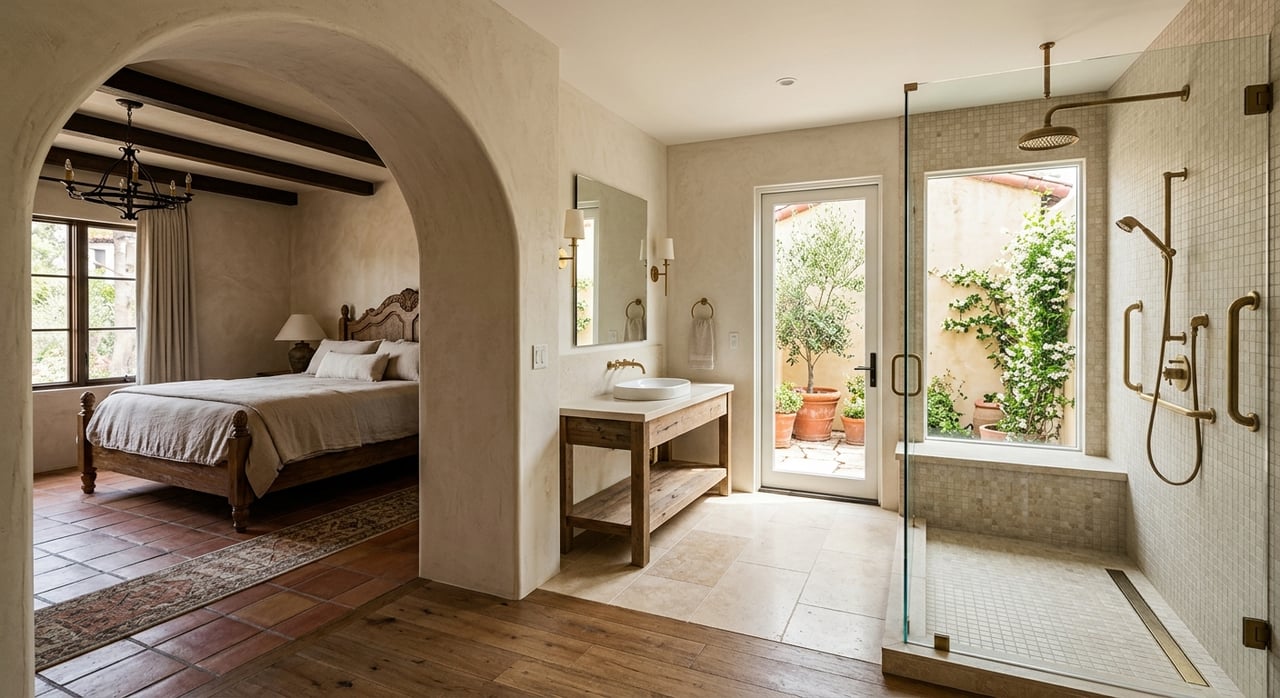
- Primary bedroom
- Kitchen
That focus is backed by 2025 staging findings. The same report found that 49% of sellers’ agents saw staged homes sell faster, and 29% saw a 1% to 10% increase in offered value.
Buyers’ agents also rated listing photos, traditional staging, videos, and virtual tours as especially important. In other words, a calm, polished presentation does more than improve the in-person showing. It shapes how buyers respond online before they ever set foot in the home.
Price for the Market You Have
One of the biggest stress triggers for sellers is uncertainty around price. A vacation home often carries emotional value, years of memories, and a long history of ownership, but buyers still respond to current market conditions.
National seller data from 2025 found that the typical seller was 64 years old, had lived in the home 11 years, and most often valued agent help with marketing, competitive pricing, and selling within a specific timeframe. That lines up closely with many second-home and late-life transition sellers who want a thoughtful, guided process.
In Summerland, broad seasonal advice is less useful than current local data. The March 2026 South Coast MLS chart showed 3.7 months of inventory for the Carpinteria and Summerland grouping, compared with 2.1 months for the broader houses and PUD market.
That difference is a reminder that micro-markets matter. A smart pricing plan should reflect the latest local comparable sales, current competition, property type, and how prepared your home is at launch.
Time the Listing Around Readiness
Many sellers ask for the best month to list. In practice, the best timing is often the point when your home is fully ready, easy to show, and supported by current pricing data.
If you go live before repairs are done or while the home is still cluttered, you may create more stress and less leverage. If you wait too long without a clear plan, you may miss a window when your home could have shown more cleanly.
A lower-stress timing plan usually means aligning your launch with:
- Completed repairs
- Deep cleaning and decluttering
- Staging or styling of key rooms
- Professional photos and video
- A workable showing calendar
That approach is especially helpful if you are coordinating from out of town or helping a parent simplify a real estate decision. Clean timing often leads to smoother marketing and fewer last-minute surprises.
Plan Carefully if Guests or Tenants Are In Place
Occupancy is one of the biggest moving parts when selling a vacation home. If you are still accepting bookings, using the home personally, or renting to a tenant, your marketing plan needs to account for access, notice, and legal requirements.
If the property is a short-term rental or homestay in unincorporated Summerland, Santa Barbara County has separate rules for short-term rentals and transient occupancy taxes. Before continuing reservations while the home is on the market, it is wise to review booking calendars and tax obligations carefully.
If the home has a month-to-month tenant, California notice rules may apply based on how long the tenant has lived there. California Courts states that landlords generally use a 30-day notice if the tenant has been there less than one year and a 60-day notice if the tenant has been there one year or more.
After 12 months, the Tenant Protection Act usually requires just cause. The California Department of Real Estate also notes that when no-fault just cause applies, the landlord must state the reason in the notice and offer relocation assistance equal to one month of rent or waive the final month’s rent.
Because occupancy situations can affect timing, access, and buyer expectations, it helps to decide early whether you want to:
- Pause bookings before listing
- Market around an existing calendar
- Wait for a tenant transition to finish
- Sell after the home is vacant and refreshed
If the property is in an HOA, check rental permissions and restrictions too. Those details can affect both your current use and your sale strategy.
Keep County Rules in Mind for Repairs
When sellers want to “just tidy things up,” they sometimes drift into projects that may affect permits or occupancy. In unincorporated Summerland, county guidance makes clear that community plans and the building code govern land use, construction, and occupancy.
That does not mean every repair is complicated. It does mean permit-sensitive work should be handled with county rules in mind so you do not create delays during escrow or buyer due diligence.
If you are unsure whether a project is cosmetic or more substantial, pause before starting. A simple plan is often better than a rushed fix that creates new questions later.
Reduce Stress With a Simple Checklist
When emotions and logistics overlap, a short checklist can bring a lot of relief. Instead of asking yourself what to do next every day, you can work through one clear path.
Here is a practical starting point for a Summerland vacation-home sale:
- Review the latest Carpinteria and Summerland market data
- Walk the home for maintenance issues
- Schedule repairs before cleaning or photos
- Declutter and deep clean key spaces
- Stage the living room, primary bedroom, and kitchen
- Confirm any tenant, guest, or booking conflicts
- Check county and HOA rules if they apply
- Launch marketing only when the home is truly show-ready
This kind of structure is especially useful if you are downsizing, simplifying a portfolio, or helping a family member make a later-life housing move. Less stress usually comes from fewer unknowns.
Selling a Summerland vacation home does not have to feel chaotic. With current local data, a realistic prep timeline, and careful attention to occupancy and county rules, you can make the process more manageable and more confident from start to finish.
If you want thoughtful guidance with a calm, step-by-step approach, All About Seniors can help you plan your next move with more clarity and less stress.
FAQs
What makes selling a vacation home in Summerland different?
- Summerland is an unincorporated area of Santa Barbara County, so county planning, land-use, and building-code rules apply, and local market conditions should be reviewed right before listing.
Should you stage a Summerland vacation home before listing?
- Yes, in many cases staging or at least decluttering key spaces can help. The living room, primary bedroom, and kitchen are the most important rooms to prioritize, and staging is often linked to faster sales and stronger offers.
Can you keep taking short-term bookings while a Summerland home is for sale?
- Possibly, but it depends on your calendar, showing access, and Santa Barbara County short-term rental and tax rules for unincorporated areas.
Can you sell a Summerland home with a tenant still in place?
- Yes, but the timing and process depend on the lease, notice periods, just-cause rules after 12 months, and whether relocation assistance is required in a no-fault situation.
Do you need to empty a Summerland vacation home before selling?
- Not always. A cleaner, less personal look is usually enough, especially if you focus on deep cleaning, decluttering, and presenting the main living areas well.
When is the best time to list a Summerland vacation home?
- The best time is usually when repairs, cleaning, staging, and marketing are fully ready, supported by the most current local market data for Summerland and nearby comparable areas.