
As seniors plan for the next chapter of life, one of the biggest questions is not just where to live now—but what happens if care needs change later.
That’s where Continuing Care Retirement Communities (CCRCs) can offer a unique advantage.
CCRCs are designed to provide a continuum of care within one community, allowing residents to remain in a familiar environment as their needs evolve over time. For many seniors, this creates a greater sense of stability, security, and peace of mind.
What Is a CCRC?
A Continuing Care Retirement Community (CCRC) is a senior living option that combines multiple levels of housing and care within the same community, typically including:
* Independent Living — for active, self-sufficient seniors
* Assisted Living — for those needing help with daily activities
* Skilled Nursing Care — for higher-level medical or long-term care needs
Rather than moving to a completely new location if health needs increase, residents can often transition to different levels of care while remaining within the same community.
This concept can be compared to “aging in place,” with the added benefit of having multiple levels of support and care available within one connected community.
What It Feels Like
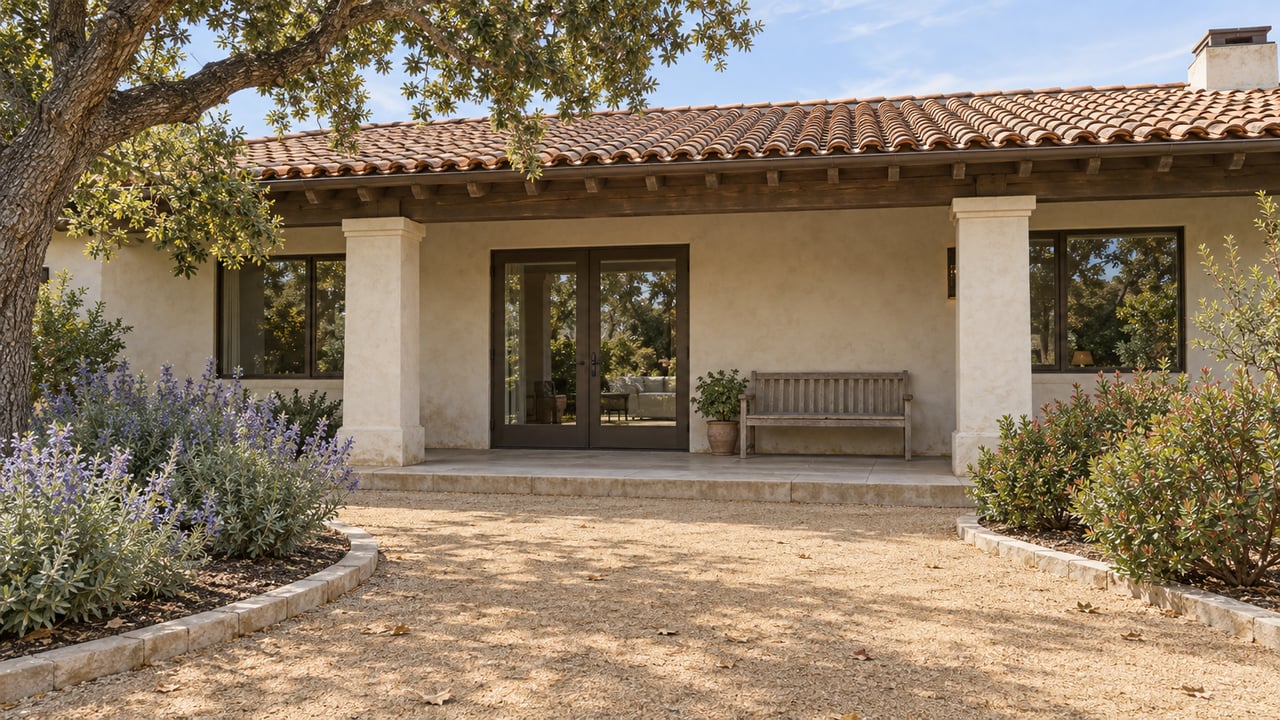
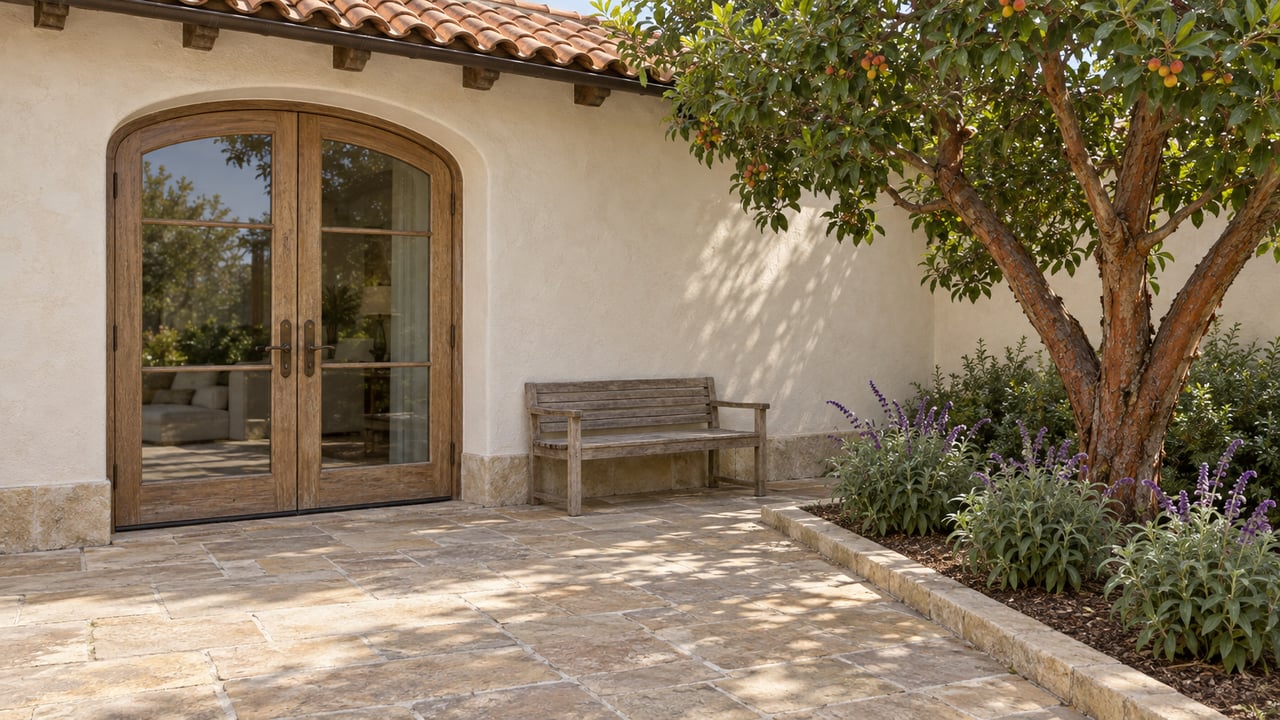
Most CCRCs are designed as campus-style communities with private residences such as apartments, condominiums, or cottages, along with shared amenities and common spaces.
Residents typically enjoy an active, independent lifestyle while having the reassurance that additional support and care are available if needed in the future.
For many people, the greatest comfort comes from knowing they can remain in a familiar environment—with established friendships, routines, and support systems—even as life changes.
Who Is a Good Fit for a CCRC?
CCRCs are often a strong fit for seniors who:
* Want to proactively plan for future care needs
* Value long-term stability and predictability
* Prefer to avoid multiple moves later in life
* Are currently independent but thinking ahead
* Appreciate the idea of combining lifestyle, community, and future care planning in one setting
Key Benefits of CCRCs
1. Peace of Mind for the Future
One of the biggest advantages of a CCRC is knowing that future care needs have already been considered.
If health circumstances change, residents often have access to higher levels of care without needing to leave their community, search for new housing, or start over in an unfamiliar environment.
2. Continuity of Community
Residents can build long-term relationships and maintain connections with friends, neighbors, and staff over time.
Even if care needs change, they often remain surrounded by familiar people and routines—something that can provide significant emotional comfort and stability.
3. Wide Range of Amenities
Many CCRCs offer amenities and services designed to support both convenience and quality of life, including:
* Dining options
* Fitness centers and wellness programs
* Social activities, clubs, and educational events
* Transportation services
* Housekeeping and maintenance services
* Walking paths, gardens, and community gathering spaces
The lifestyle often feels more like a community or neighborhood than a traditional care setting.
4. Simplified Living
Like other senior communities, CCRCs remove many of the burdens associated with homeownership, such as:
* Home repairs
* Yard maintenance
* Exterior upkeep
* Household responsibilities
This allows residents to focus more on relationships, hobbies, wellness, and enjoying daily life.
Important Considerations
1. Understanding the Cost Structure
CCRCs often involve:
* A significant upfront entrance fee
* Ongoing monthly fees
In exchange, some future care costs may be partially covered, discounted, or included depending on the contract structure.
Because pricing models vary widely, it’s important to fully understand both current and future financial obligations.
2. Contract Types Can Differ Significantly
Not all CCRCs operate the same way. Common contract models include:
Extensive Contract (Life Care)
Typically offers the broadest coverage for future care needs, often with more predictable long-term costs.
Modified Contract
Includes some future care services, but with limitations or time restrictions.
Fee-for-Service Contract
Residents pay separately for higher levels of care if and when they are needed.
Understanding exactly what is—and is not—included is essential before making a decision.
3. It’s a Long-Term Lifestyle and Financial Commitment
A CCRC is not simply a housing decision. It is a long-term commitment that combines housing, healthcare planning, finances, and lifestyle considerations.
Before moving forward, many seniors benefit from discussing the decision with:
* Family members
* Financial advisors
* Elder law attorneys
* Trusted healthcare professionals
Key Takeaways
CCRCs Are Designed for Long-Term Planning
They are often best suited for seniors who are thinking proactively about future care—not just current needs.
Aging in Place Is a Major Advantage
Residents can often remain within the same community even as care needs evolve.
Costs Are Often Front-Loaded
While upfront costs can be substantial, some people value the long-term predictability and future care access.
Continuity Matters
Remaining in a familiar environment with established relationships can provide both emotional comfort and practical stability.
Every Community Is Different
Services, contracts, financial structures, and care quality can vary significantly. Careful research and due diligence are essential.
CCRC Decision-Making Checklist
Use this checklist as a practical guide when evaluating a Continuing Care Retirement Community.
1. Current & Future Planning
* ☐ Am I planning for future care needs, not just my current lifestyle?
* ☐ Do I want to minimize the likelihood of moving again later?
* ☐ Is my health stable enough to qualify for independent living entry requirements?
* ☐ Would remaining in one community provide emotional comfort and stability?
2. Financial Readiness
* ☐ Can I comfortably afford the entrance fee?
* ☐ Do I fully understand the monthly costs?
* ☐ What services are included versus charged separately?
* ☐ Are there future care cost protections?
* ☐ Are refund options available if I leave the community?
* ☐ How sustainable is this financially over the long term?
3. Contract Clarity
* ☐ Which contract type is offered (Life Care, Modified, Fee-for-Service)?
* ☐ What level of future care is guaranteed?
* ☐ Are there limits on assisted living or nursing care coverage?
* ☐ Have I reviewed the contract with a financial advisor or attorney?
4. Lifestyle & Community Fit
* ☐ Do I like the living accommodations and overall atmosphere?
* ☐ Are the activities, amenities, and programs appealing to me?
* ☐ Do residents appear engaged and happy?
* ☐ Can I genuinely see myself building a life and community here?
5. Quality of Care
* ☐ What is the community’s reputation?
* ☐ How do staff members interact with residents?
* ☐ What are the staffing levels and response times?
* ☐ Is higher-level care available on-site and well-rated?
* ☐ How are emergencies and healthcare transitions handled?
6. Long-Term Confidence
* ☐ Does this option provide peace of mind about the future?
* ☐ Can this community realistically support my needs long term?
* ☐ Does this feel like a place where I could comfortably age with dignity and support?
Final Thought
A Continuing Care Retirement Community is not just about where you live—it’s about how you plan to live over time.
For seniors who value stability, continuity, proactive planning, and the reassurance of future care options, a CCRC can be one of the most comprehensive and confidence-building choices available.
Terri Dimond
Certified Senior Housing Professional | Certified Senior Downsizing Coach
Berkshire Hathaway HomeServices California Properties
DRE# 01378431
President’s Circle — Top 6% Globally
Direct: 805-709-0934
TerriDimond.com
Providing education, guidance, and trusted resources to help seniors make confident housing decisions.