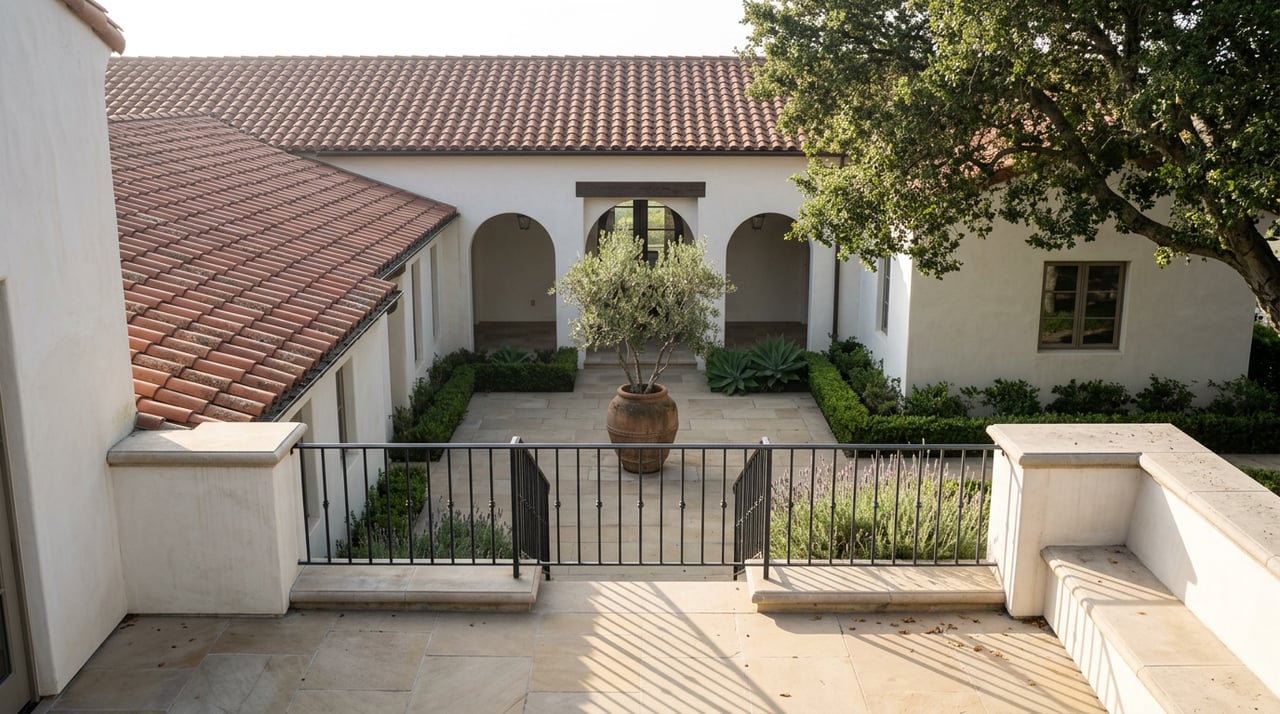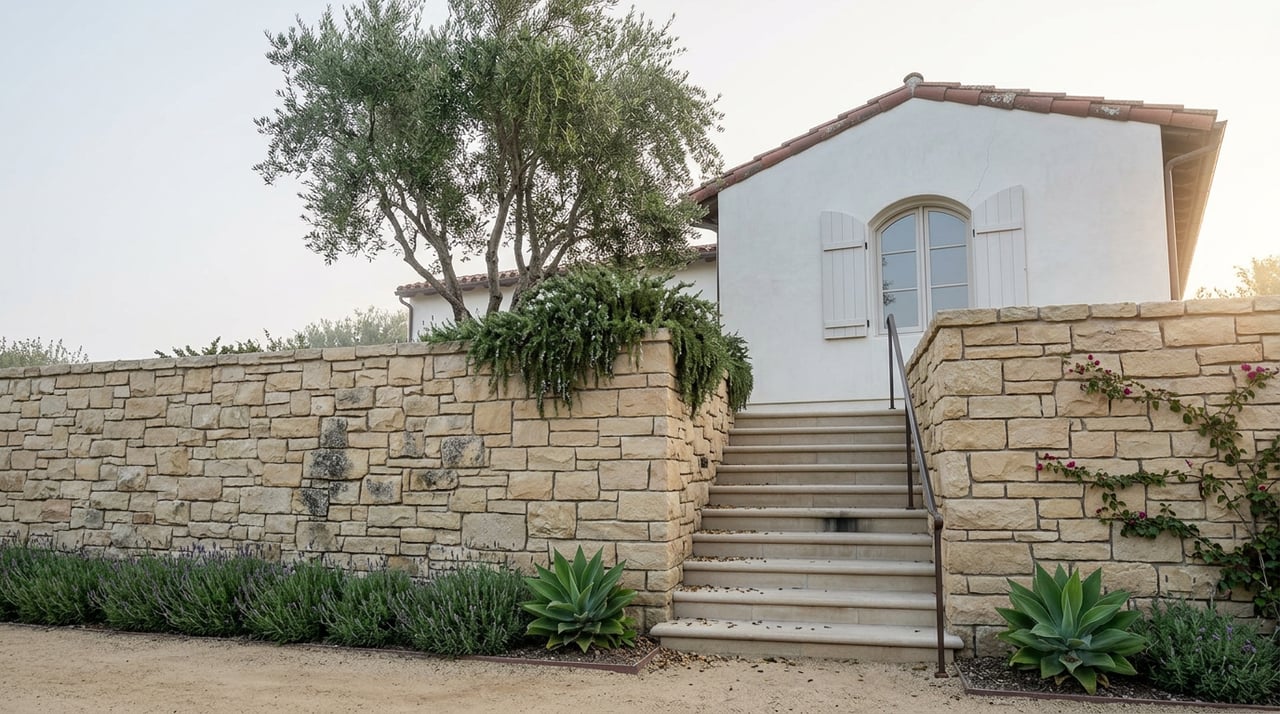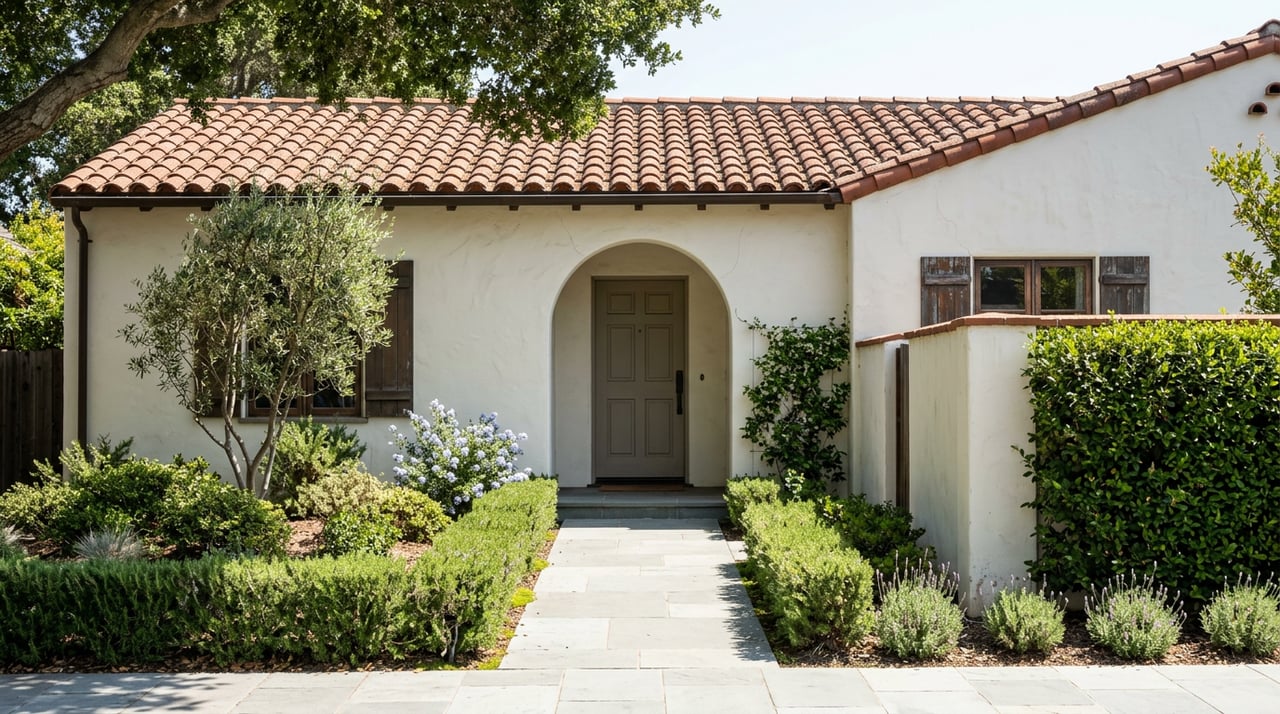
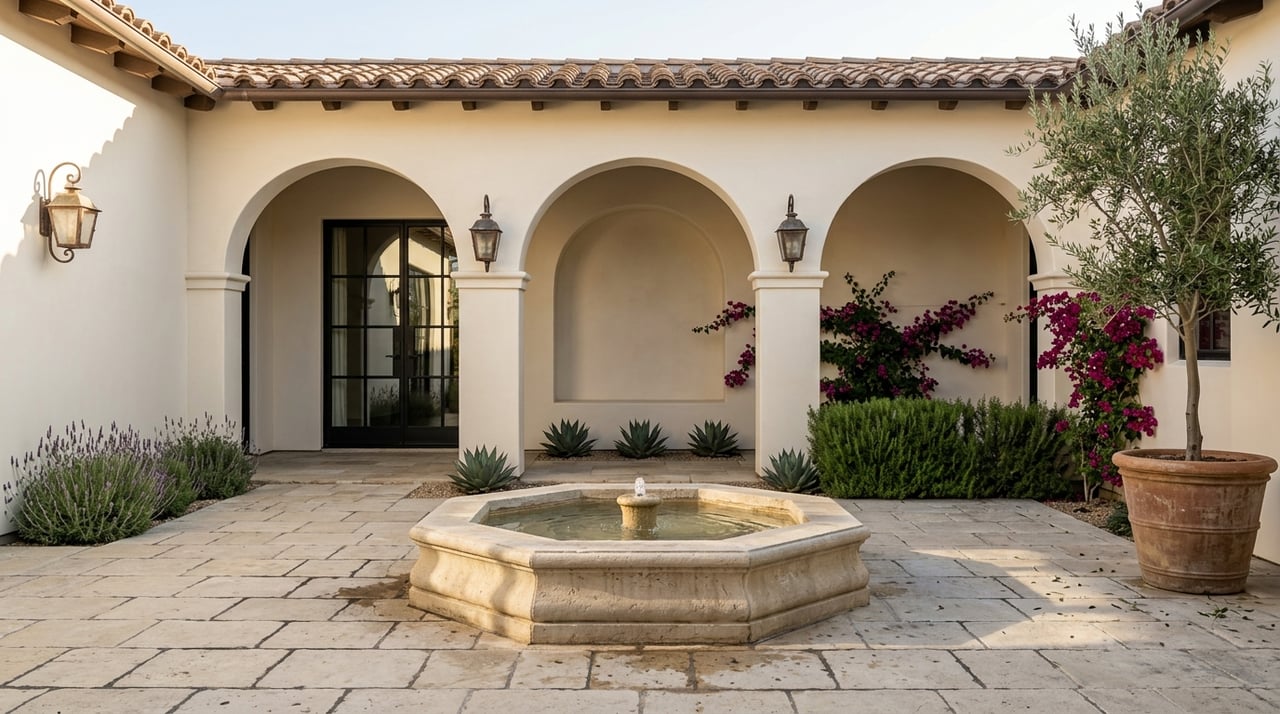
If you are thinking about simplifying your home life or buying a part-time coastal retreat, Montecito can feel both exciting and complicated. It offers privacy, prestige, and beautiful settings, but it also comes with local rules, terrain issues, and a market that does not always fit a simple checklist. This guide will help you understand how Montecito works for downsizers and second-home owners, what to look for before you buy or sell, and which questions matter most as you plan your next move. Let’s dive in.
Why Montecito appeals to these buyers
Montecito is not a one-size-fits-all market. The community plan describes it as a semi-rural residential area of about 13 square miles, shaped by narrow winding roads, very few urban-style features like sidewalks and traffic lights, and a strong focus on privacy, views, landscaping, and low-density living.
For many downsizers, that setting can feel like a reward after years of maintaining a larger household. For many second-home buyers, it offers the kind of calm, scenic environment that makes seasonal living appealing. At the same time, the same features that create charm can also affect convenience, upkeep, and access.
Another key point is that Montecito has one main commercial center: the Village. The community plan also notes that the coastal area includes several condominium or clustered developments. That matters because buyers who want less maintenance may not be looking at the same type of property as buyers who want maximum privacy and land.
Montecito property choices
Larger homes versus lower upkeep
In practical terms, many Montecito buyers weigh one main tradeoff: space and privacy versus ease and convenience. The area’s low-density pattern points toward many larger-lot single-family homes, while a smaller set of attached or clustered options may better suit buyers who want simpler upkeep.
If you are downsizing, that choice is often less about square footage alone and more about daily life. You may love the idea of a private property, but you may not want the work that comes with larger grounds, more exterior maintenance, or a home that needs frequent oversight.
If you are shopping for a second home, maintenance may matter even more. A home that sits empty part of the year can bring different concerns than a primary residence, especially when landscaping, weather events, or exterior systems need regular attention.
Montecito micro-markets matter
Montecito makes more sense when you look at it as a collection of sub-areas rather than one single market. The community plan separates the area into the Village, coastal, and mountain areas, and each one offers a different living experience.
The Village is the commercial core. The coastal area is closer to the beach and includes some condominium or clustered development patterns. The mountain area is generally more secluded and more influenced by terrain.
For downsizers, that can affect how easy a home feels to live in day to day. For second-home owners, it can shape everything from maintenance expectations to travel routines to how much privacy you actually want when you are in town.
What the current Montecito market shows
As of spring 2026, Realtor.com reported 83 homes for sale in Montecito, a median listing price of $6,995,000, median days on market of 60, and a 98% sale-to-list ratio. It classified Montecito as a balanced market.
Other sources show a softer picture. Redfin’s March 2026 data reported a median sale price of $5.65 million, 143 days on market, and 10 homes sold. Zillow’s April 30, 2026 home-value index was $5,630,816.
Those differences do not necessarily mean one source is right and the others are wrong. In a thin luxury market like Montecito, median numbers can move sharply based on the mix of homes that sold. Local year-in-review reporting also notes that median price is not a direct measure of what any one property is worth, and off-market sales may not appear in MLS-based data.
Local MLS-based reporting found Montecito’s year-end 2025 median price at $6,192,000. It also reported that closed house sales in the 93108 area rose from 124 to 164 year over year, with 12 sales above $20 million.
For you as a buyer or seller, the takeaway is simple: pricing and timing need a local, property-specific lens. In Montecito, broad median data can be useful for context, but your actual strategy should reflect the home type, sub-area, condition, and level of buyer demand for that specific property.
Questions downsizers should ask early
Can Prop 19 help you?
If you are 55 or older and thinking about selling a longtime primary home, property taxes may be one of your biggest concerns. The California Board of Equalization says eligible homeowners age 55 or older may transfer their base-year value to a replacement primary residence.
The timing details matter. The claim is filed after both transactions are complete and after you are living in the new home. If you buy the replacement home before your original home sells, the replacement property is taxed at full fair market value until the sale closes, and there is no refund for that interim period.
The same guidance says qualifying homeowners may make up to three base-year-value transfers. If the replacement home costs more than the original, the amount above the adjusted threshold is added to the new taxable value.
For many downsizers, the practical questions are these:
- Can this move preserve part of my current tax base?
- Should I sell first or buy first?
- If I buy first, can I comfortably carry the interim tax cost?
- Will my next home still meet my needs if mobility or care needs change later?
Will the home work long term?
A smaller home is not always an easier home. If you are rightsizing for the next stage of life, think about layout, exterior maintenance, parking, entry access, and whether the property could support future changes if needed.
That is especially important in Montecito because exterior changes may trigger local review. Santa Barbara County says the Montecito Board of Architectural Review oversees exterior appearance in the unincorporated county, and the community plan says architectural and development guidelines apply to new residential and commercial development, major exterior remodels, and teardowns.
If you are considering a future ramp, elevator addition, door widening tied to exterior work, an ADU, or another visible remodel, those conversations should happen early. It is much easier to evaluate that before you buy than after plans are already underway.
What second-home owners should review
Think beyond the view
It is easy to fall in love with Montecito based on scenery alone. But for part-time ownership, the better question is how the property performs when you are not there.
That starts with the setting. A mountain-area property may offer more seclusion, while a coastal or clustered-home option may feel easier to manage seasonally. Neither is automatically better. The right fit depends on how often you will use the home, how much hands-on maintenance you want, and whether convenience or privacy matters more to you.
Use rent data as a reality check
Realtor.com placed Montecito’s median rent at $29,750 per month as of spring 2026. Even if you are not comparing buying versus renting directly, that number can still help frame the cost of having a part-time foothold in this market.
For some buyers, it reinforces the value of ownership if they plan to spend significant time in the area. For others, it is a reminder to think carefully about carrying costs, maintenance, and how often the home will truly be used.
Risk review is part of smart buying
Wildfire and debris-flow concerns
In Montecito, site-specific hazard review is not optional homework. It is a core part of due diligence.
CAL FIRE classifies fire hazard as moderate, high, or very high, and Montecito Fire’s emergency mapping tools point residents toward the 2025 CAL FIRE fire-hazard map as well as evacuation-zone and storm-impact tools. Montecito Fire also states that properties in red-shaded areas of the storm-impact map should have an evacuation plan for severe rain events.
The historical context is serious. California Geological Survey documentation states that the January 2018 Montecito debris flows caused at least 21 fatalities and damaged or destroyed more than 500 structures and seven bridges.
That does not mean every property carries the same level of concern. It does mean you should review each address carefully and ask direct questions about wildfire exposure, debris-flow mapping, evacuation planning, and storm-event readiness before you move forward.
A simple Montecito decision checklist
Whether you are downsizing or buying a second home, these are smart questions to ask before making a move:
- Which Montecito sub-area best fits my lifestyle: Village, coastal, or mountain?
- Do I want more privacy and land, or lower upkeep?
- If I am 55 or older, how might Prop 19 affect my next move?
- Should I buy first or sell first based on taxes and carrying costs?
- Does this property sit in a wildfire or debris-flow concern area?
- Will I need any exterior changes that could involve county architectural review?
- If this is a seasonal home, how easy will it be to manage when I am away?
How to move forward with clarity
Montecito can be a wonderful fit if your next chapter calls for beauty, privacy, and a more intentional way of living. But the best outcomes usually come from slowing down, asking better questions, and matching the property to your real day-to-day needs rather than just the dream.
If you are downsizing, that may mean balancing taxes, future access, and emotional readiness. If you are buying a second home, it may mean balancing lifestyle goals with maintenance realities, market timing, and site-specific risk.
At its best, a Montecito move is not just about buying less or buying luxury. It is about choosing a home that supports how you want to live now and in the years ahead.
If you want patient, informed guidance as you think through a Montecito move, All About Seniors offers education-first support for downsizing, senior transitions, and local real estate decisions across the Santa Barbara area.
FAQs
How does Montecito real estate differ for downsizers and second-home buyers?
- Downsizers often focus on lower maintenance, future accessibility, and possible property-tax planning, while second-home buyers often focus on seasonal convenience, carrying costs, and how the property will be managed when they are away.
What should Montecito buyers know about Prop 19?
- The California Board of Equalization says eligible homeowners age 55 or older may transfer their base-year value to a replacement primary residence, with rules that make timing important if you buy before you sell.
Why do Montecito market numbers look different across sources?
- In a thin luxury market, median prices and days on market can swing based on the mix of homes sold, and local reporting notes that off-market sales may not appear in MLS-based data.
What Montecito areas should second-home buyers compare?
- The community plan identifies Village, coastal, and mountain areas, and each offers a different mix of access, seclusion, terrain, and property style.
Do Montecito buyers need to review wildfire and debris-flow risk?
- Yes. CAL FIRE and Montecito Fire provide hazard and emergency mapping tools, and site-specific review is an important part of due diligence in this area.
Can architectural review affect Montecito renovation plans?
- Yes. Santa Barbara County says the Montecito Board of Architectural Review reviews exterior appearance in the unincorporated county, so visible changes should be discussed early in the process.