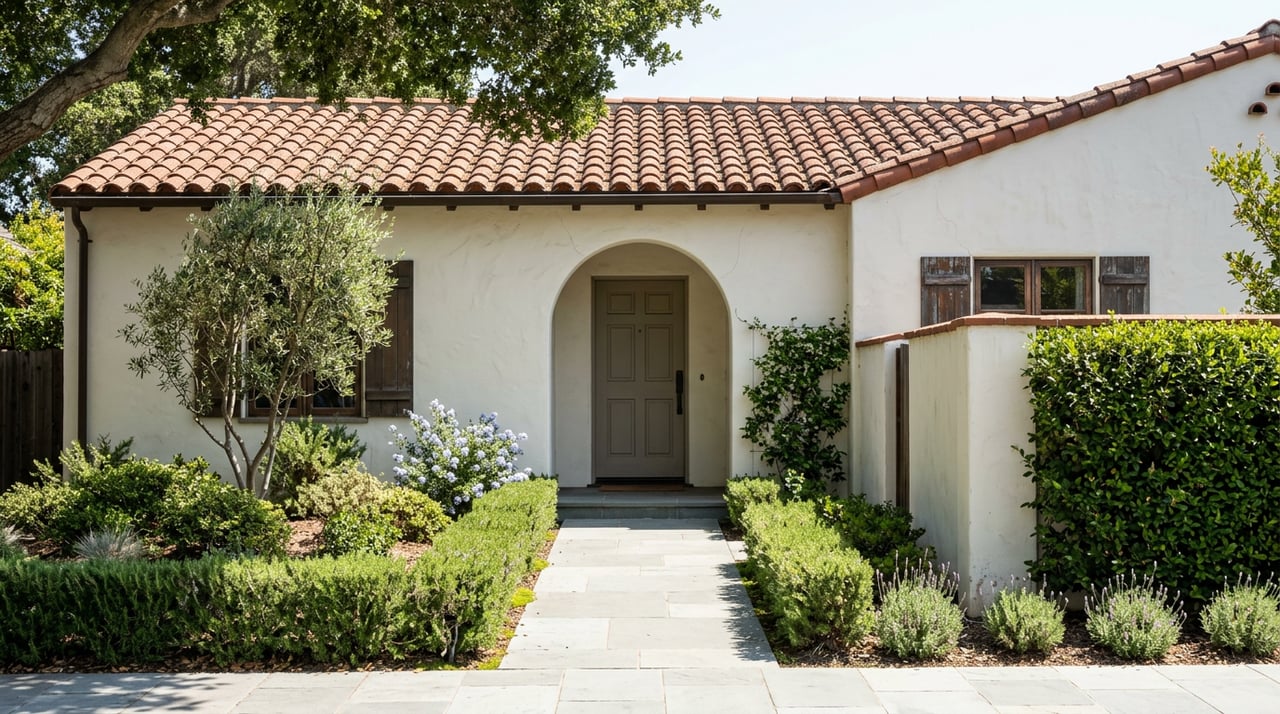

1. 6-Bed Residential Care Homes
(Also called Board-and-Care Homes or Residential Care Facilities)
These are private homes located in residential neighborhoods that typically care for six or fewer residents.
What It Feels Like
This is often the closest alternative to remaining in a traditional family home. Residents usually share meals together, see the same caregivers each day, and experience a more intimate, relationship-based environment.
Best Fit For:
* Seniors who value personalized, consistent care
* Individuals who may feel overwhelmed or isolated in larger communities
* Those needing more hands-on assistance throughout the day
* Families who want closer oversight of care
Strengths:
* Higher caregiver-to-resident ratio
* More individualized attention and support
* Calm, quiet, home-like setting
* Familiar caregivers and routines
* Easier for families to monitor care quality
Considerations:
* Fewer organized social activities
* Smaller social circle
* Limited amenities compared to larger communities
* Privacy can vary depending on the home’s layout
2. Independent Living Communities
Independent living communities are designed for active seniors who want to simplify life while maintaining their freedom and independence.
What It Feels Like
Think of it as a resort-style or apartment-style community for older adults. Residents enjoy private living spaces along with access to dining, social events, transportation, fitness programs, and other amenities.
Best Fit For:
* Seniors who are fully independent
* Individuals looking to downsize and reduce home maintenance responsibilities
* Those seeking greater social connection and convenience
* Active adults who want a lifestyle-focused environment
Strengths:
* Maintenance-free living (no yard work or home repairs)
* Strong social opportunities and community engagement
* Amenities such as dining, fitness centers, classes, and transportation
* Greater flexibility and autonomy
* Often ideal for simplifying daily life
Considerations:
* Medical or personal care is generally not included
* Additional support may require hiring outside caregivers
* A future move may become necessary if health needs increase
3. Assisted Living Communities
Assisted living bridges the gap between independent living and more advanced care by providing support with daily activities while still encouraging independence.
What It Feels Like
Residents typically live in private apartments or suites while having access to care and assistance as needed. The goal is to support independence while offering peace of mind and built-in help.
Best Fit For:
* Seniors who need help with daily tasks
* Individuals with mild to moderate health concerns
* Those wanting both care and community
* Families seeking a safer living environment with ongoing support
Strengths:
* Assistance with bathing, dressing, medications, and daily routines
* 24/7 staff availability
* Meals, housekeeping, and transportation often included
* Structured activities and social opportunities
* Balance of support and independence
Considerations:
* Higher monthly costs due to care services
* Quality, staffing, and responsiveness can vary significantly between communities
* Additional care needs may increase monthly expenses over time
Key Takeaways
Start with Care Needs—Not Just Lifestyle Preferences
The decision should begin with safety, health, and daily support needs. Lifestyle amenities matter, but the right level of care is the foundation of a successful transition.
Independence Exists on a Spectrum
Moving into a supportive environment does not mean giving up independence. In many cases, the right support actually helps preserve independence longer.
Small vs. Large Is a Lifestyle Choice
Each environment offers different advantages:
* Smaller settings (6-bed homes):
More personalized care, quieter atmosphere, closer relationships
* Larger communities:
More social opportunities, activities, amenities, and services
Neither is universally “better”—it depends on personality, care needs, and priorities.
Plan for the Next Stage—Not Just Today
A move can be emotionally and physically stressful. Choosing a setting that can accommodate changing needs over the next few years may help avoid another transition later.
Observe More Than the Décor
A beautiful lobby doesn’t guarantee quality care. During tours, pay attention to:
* How staff speak to residents
* Whether residents appear engaged and comfortable
* Cleanliness and atmosphere
* Staff responsiveness and warmth
The culture of a community matters just as much as the appearance.
Senior Living Decision-Making Checklist
Use this checklist as a practical guide when evaluating options.
1. Care Needs
* ☐ Do I need help with bathing, dressing, or medications?
* ☐ Am I forgetting things that could affect my safety (such as turning off the stove)?
* ☐ Do I feel comfortable living alone overnight?
* ☐ Have there been recent health or mobility changes?
* ☐ Are my care needs likely to increase within the next 1–2 years?
2. Lifestyle Preferences
* ☐ Do I prefer a quiet, home-like setting or a more active community?
* ☐ How important are social events and group activities?
* ☐ Do I enjoy being around many people or a smaller familiar group?
* ☐ Do I want structure and scheduled activities, or more flexibility?
3. Daily Living & Convenience
* ☐ Do I still want to cook and manage household responsibilities?
* ☐ Would housekeeping and laundry support improve my quality of life?
* ☐ Do I need transportation for appointments or errands?
* ☐ Is mobility becoming more challenging?
4. Financial Clarity
* ☐ What is my realistic monthly budget?
* ☐ What services are included versus billed separately?
* ☐ How often do rates increase?
* ☐ What additional costs could arise if care needs change?
* ☐ How long can I comfortably sustain this option financially?
5. Emotional & Social Well-Being
* ☐ Will I feel connected or isolated in this environment?
* ☐ Does the setting feel warm, welcoming, and comfortable?
* ☐ Can I picture myself building relationships here?
* ☐ Does this feel like a place I would genuinely enjoy living?
6. Final Decision Factors
* ☐ Have I toured multiple options?
* ☐ Did I observe staff interacting with residents?
* ☐ Did I ask about caregiver staffing ratios and turnover?
* ☐ Can this option reasonably support my needs over the next 1–3 years?
* ☐ Does this choice provide peace of mind for both me and my family?
Bottom Line
The “right” choice is not about finding the fanciest community or the most amenities. It’s about finding the best fit for your current needs, future goals, personality, and lifestyle.
- Choose a 6-bed residential care home for personalized, attentive care in a smaller setting.
- Choose independent living for freedom, convenience, and an active social lifestyle.
- Choose assisted living for a balance of support, safety, and independence.
The best decision is one that helps you feel safe, supported, connected, and confident about the future.
Terri Dimond
Certified Senior Housing Professional | Certified Senior Downsizing Coach
Berkshire Hathaway HomeServices California Properties
DRE# 01378431
President’s Circle — Top 6% Globally
Direct: 805-709-0934
TerriDimond.com
Providing education, guidance, and trusted resources to help seniors make confident housing decisions.