Do you love your Upper East home but wonder if it will still fit your life in five or ten years? You are not alone. Many long-time Eastside owners wrestle with balancing comfort, safety, and independence. In this guide, you will learn how to assess your block’s walkability, your home’s layout, realistic modification options, and smart alternatives if downsizing nearby makes more sense. Let’s dive in.
What aging in place requires in Upper East
A good aging-in-place plan starts with access to daily needs, transportation options, and a home that fits your mobility. The Eastside and Upper East sit close to downtown, which often means shorter trips to shops and services. Walkability and terrain vary by street, so it pays to check your immediate surroundings rather than rely on a generic score.
Walkability by block
Many Eastside blocks are near groceries, pharmacies, and cafes, especially closer to central corridors. Flatter streets around the lower Eastside are generally easier to navigate than steeper residential streets uphill. Time actual walking routes to your most frequent destinations and note crossings, curb ramps, and lighting along the way.
Transit and alternatives to driving
Santa Barbara’s Metropolitan Transit District operates fixed-route buses that cover central neighborhoods, with senior-access and paratransit services available for eligible riders. Rideshare and taxi services operate locally, though wait times can vary at off-peak hours. Being in a central neighborhood can reduce the need to own a car long term.
Terrain, stairs, and entries
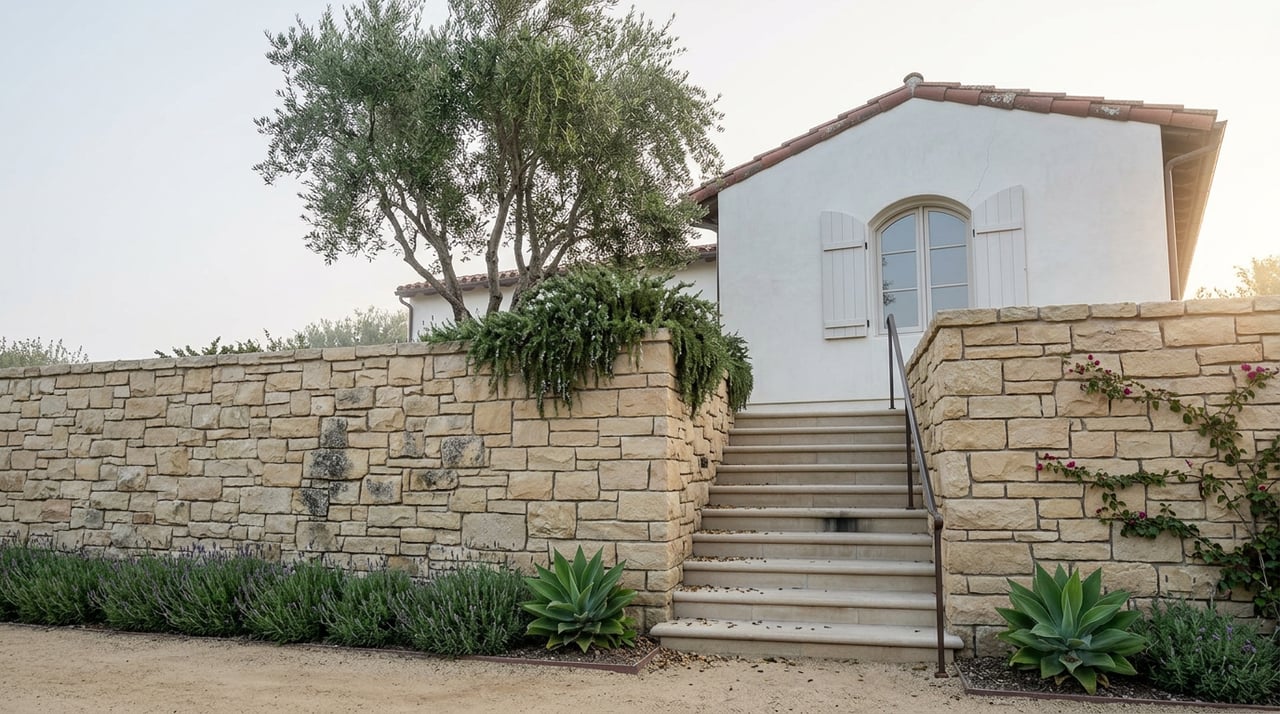
Older Eastside homes often sit above street level and use entry steps. If you rely on a cane or walker, even a few steps can become a barrier. Flat or gently sloped blocks and level entries are easier to adapt over time.
Safety and medical proximity
Access to urgent care, hospitals, and fire stations matters during an emergency. Check real travel times from your home to your preferred medical facilities at different times of day. Review current local police data for safety trends on your block, since comfort with walking and socializing affects daily life.
Typical Eastside homes and common barriers
The Eastside includes many older single-family homes in Victorian, Craftsman, and Spanish styles, plus duplexes, condos, and some multifamily buildings. Many were built before universal-access design and may include multi-level layouts and narrow interior circulation. Common barriers include exterior steps, narrow doorways, small bathrooms with tubs, raised thresholds, and bedrooms located upstairs.
If you live in a condo or apartment near commercial corridors, you may already have single-level living. Accessibility still varies by building, so evaluate elevator reliability, parking access, and hallway widths.
Practical modifications that work
You can improve safety and function without giving up the home you love. Start with smaller changes and build from there as needs evolve.
Low-cost, high-impact upgrades
- Install grab bars and a handheld shower head.
- Use non-slip flooring or mats and add brighter, even lighting.
- Replace round knobs with lever-style door handles.
- Add a shower seat and raised toilet seat.
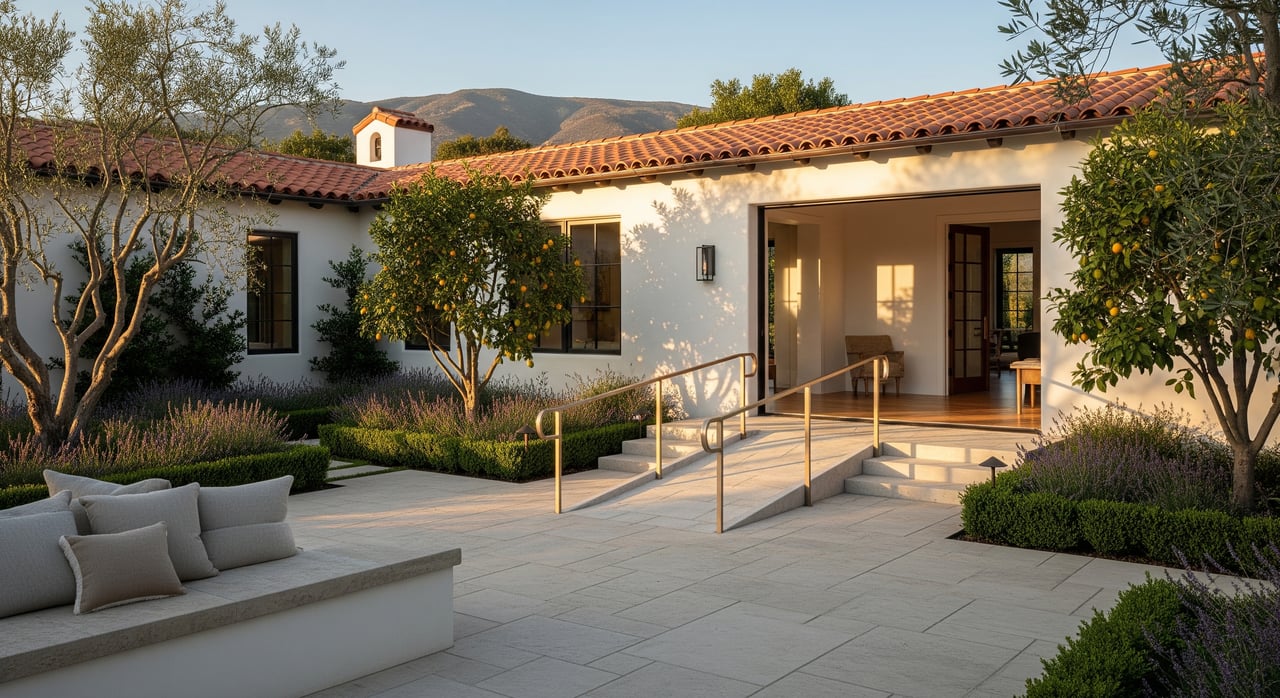
- Place small threshold ramps where needed and remove trip hazards.
Moderate remodeling
- Widen key doorways and create a curbless shower.
- Reconfigure a first-floor bathroom to support a main-level bedroom suite.
- Lower selected counters and adjust appliance placement.
- Improve electrical capacity and lighting for safety and medical devices.
Major interventions and ADUs
- Add a through-stair lift or consider a compact residential elevator if space allows.
- Create a true one-floor plan by relocating the primary bedroom and essential functions to the main level.
- Explore an accessory dwelling unit on your lot to house a caregiver, create rental income, or provide a future accessible home while you rent the main house.
Portions of the Eastside may be within local historic districts or include designated historic properties. Exterior changes, visible ramps, new ADUs, or elevators may require design review, which can add design constraints and time.
Permits, timelines, and contractors
Most structural changes require permits. Timelines for approvals can run from a few weeks for minor work to several months for major remodels or ADUs, and longer if historic review is needed. Seek contractors who understand older Santa Barbara homes and accessibility retrofits. Ask for licenses, insurance, references, and examples of similar projects before you hire.
Local services and support to consider
Map your nearby hospitals, clinics, specialists, and urgent care, then note actual travel times. Many home health agencies, private caregiving companies, and visiting nurse services operate in the area, though availability and cost can vary with demand. Medicare typically covers medically necessary home health services like skilled nursing or therapy, but it generally does not cover non-medical home care or most home modifications.
If you qualify, Medi-Cal may help with some services through home- and community-based programs. Veterans may explore Aid and Attendance benefits. The Santa Barbara County Area Agency on Aging and the local Aging & Disability Resource Center can help you navigate in-home services, meal programs, caregiver support, benefits counseling, and transportation assistance. Statewide programs, including In-Home Supportive Services, are additional avenues to explore.
Stay and retrofit or downsize nearby?
There is no one-size-fits-all answer. Weigh your home’s adaptability, finances, social supports, health trajectory, and any regulatory constraints.
When staying makes sense
- Your block is relatively flat with services nearby, or transit works well for you.
- You can create a safe, functional main level with low to moderate renovations.
- You have reliable social supports and can manage ongoing maintenance.
When downsizing is smarter
- Stairs, narrow spaces, and steep terrain limit safe access.
- Major structural changes would be costly or restricted by historic review.
- You want single-level living with less maintenance and closer access to services.
Hybrid strategies
- Build or rent an ADU on your lot for a caregiver, rental income, or as a future accessible living space.
- Move to a nearby single-level condo or small home within the same neighborhood to keep community ties.
- Take a staged approach: do low-cost safety upgrades now, monitor needs, and keep a downsizing plan ready if health or care needs change.
Note that decisions to sell and buy can affect property taxes and capital gains under California rules. Speak with a tax advisor about topics like property tax portability and sale proceeds so you understand your specific situation.
A simple 10-minute decision checklist
- Time your walks to the grocery, pharmacy, and favorite spots. Note crossings, slopes, and benches.
- Do a room-by-room safety scan: entries, bathroom, kitchen, bedroom, laundry, hallways, and outdoor paths.
- Identify 3 top hazards to fix in the next 30 days.
- Call the Area Agency on Aging to ask about in-home supports, transportation, and benefits.
- Request two contractor assessments for key modifications and ask about permits and historic review.
- Compare costs to a downsized option nearby. Include HOA fees, maintenance, and potential care needs.
- Visit two accessible homes or communities to experience alternatives first-hand.
How All About Seniors can help
You do not have to figure this out alone. As a senior-focused real estate practice, we guide you through aging-in-place planning, downsizing options, and neighborhood choices across Santa Barbara, Goleta, Carpinteria, and the Riviera. You will get practical checklists, trusted vendor referrals, and patient, step-by-step support when you decide to move.
Ready to explore your best next step? Attend a neighborhood-focused seminar or schedule a conversation to talk through your goals and concerns. You will leave with a plan you can act on at your pace. Connect with All About Seniors.
FAQs
Will Medicare pay for home modifications in Santa Barbara?
- Generally no; Medicare covers certain skilled home health services but not most home modifications, so plan for other funding sources.
Can I build an ADU on my Upper East property?
- California allows ADUs broadly, but local zoning and historic-preservation rules can shape design, placement, and timeline, so verify feasibility with the city before you start.
What if my Eastside house is historic or in a district?
- Exterior changes often require design review, while interior work may be simpler, but structural, plumbing, and electrical changes can still need permits.
How do I evaluate walkability on my specific block?
- Do timed walks to your regular destinations at different times of day and note slopes, curb ramps, crossings, lighting, and resting spots.
What are my funding options for accessibility upgrades?
- Consider personal savings, home equity, possible VA benefits, and any local or nonprofit grants for eligible residents, and speak with a tax professional about your situation.