Are you wondering whether a downtown Santa Barbara condo could make daily life simpler and more enjoyable after the kids are gone? If you are thinking about trading a larger home for a lower-upkeep lifestyle, you are not alone. For many empty nesters, the appeal is clear: less maintenance, more walkability, and easier access to dining, arts, and everyday errands. This guide will help you understand what condo living downtown really looks like, what tradeoffs to weigh, and what to review before you buy. Let’s dive in.
Why Downtown Santa Barbara Fits Empty Nesters
Downtown Santa Barbara stands out if you want a more car-light lifestyle. According to City planning documents, the area has long supported mixed-use development, housing near commercial centers, transit connections, and bicycle access. The same planning context also notes that downtown’s flatter topography helped make it one of the city’s earliest higher-density areas.
That matters if you are looking for convenience in your next chapter. Instead of spending time on yard work and long drives, you may be able to live closer to restaurants, cultural venues, services, and transit. For many empty nesters, that shift can make daily life feel more flexible.
What Downtown Condo Living Looks Like
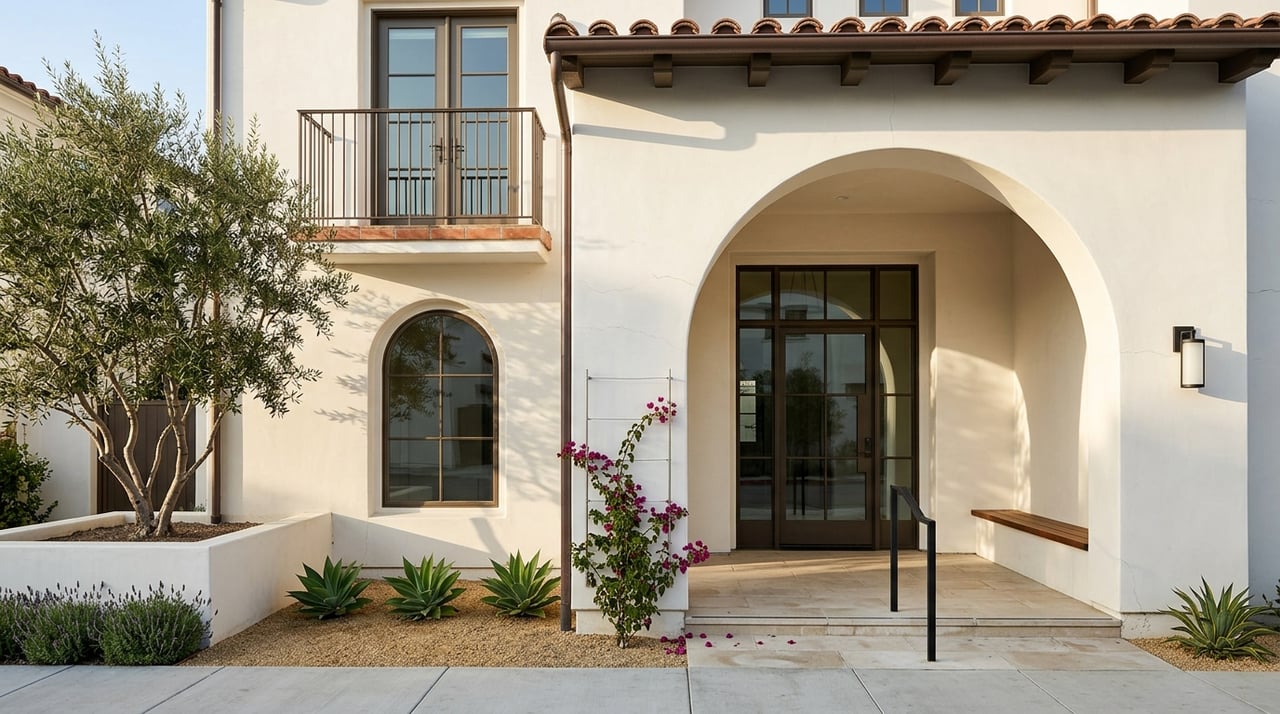
If you picture downtown condo living as tall towers and large high-rise complexes, Santa Barbara is different. The city’s development rules and historic design context tend to support a more low-rise, infill-oriented housing style. The city even maintains a comparative analysis of three-story downtown buildings, reflecting how closely size, bulk, and scale are reviewed.
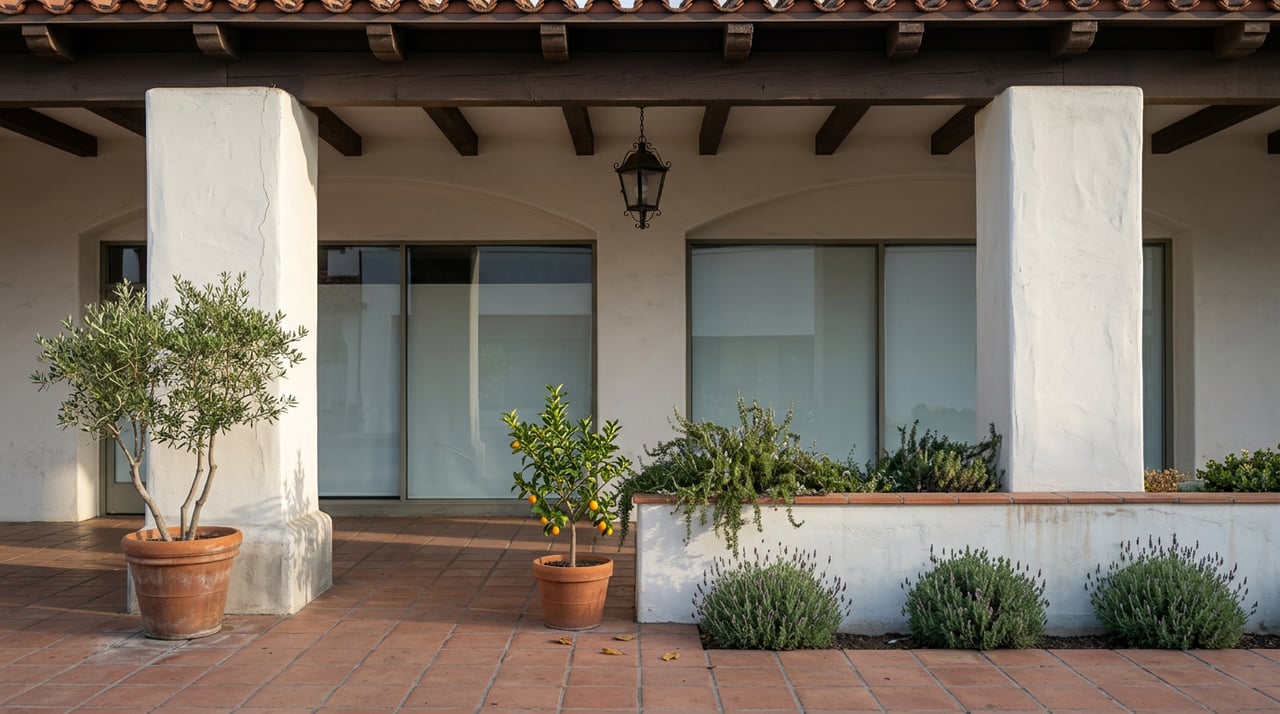
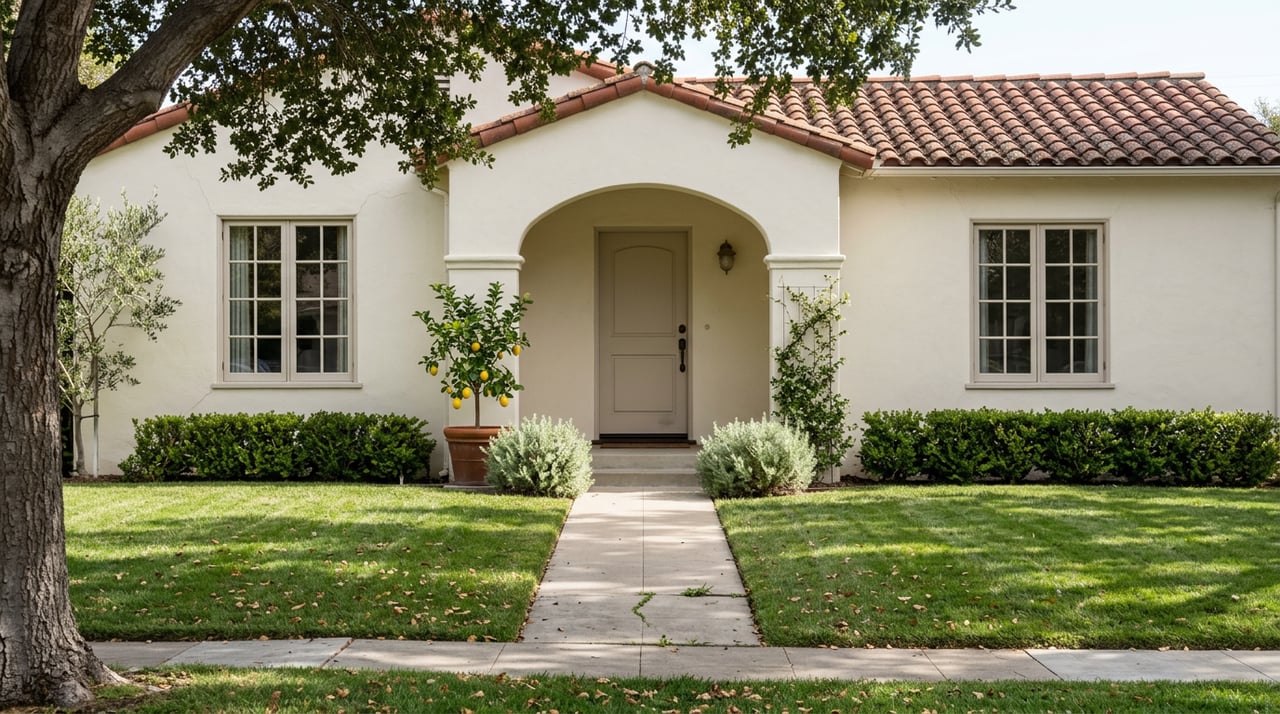
You will also notice a strong local architectural character. In the El Pueblo Viejo Landmark District, buildings include Spanish Colonial Revival structures, adobes, 1920s storefronts, Victorian-era homes, and some mid-century modern buildings. New construction and exterior changes in that district are reviewed by the Historic Landmarks Commission, which helps preserve the look and feel of the area.
For you as a buyer, that often means downtown condos may feel more integrated into the neighborhood fabric than in many other cities. You may see residences in mixed-use settings, smaller-scale buildings, or homes that blend historic influence with newer construction. The result is often more urban than suburban, but still very Santa Barbara in style.
Daily Life Without Heavy Car Dependence
One of the biggest advantages of downtown living is how easy short trips can be. Downtown Santa Barbara notes that the area includes 3,230 parking-lot spaces, with the first 75 minutes free. The city also maintains secure bike parking at the Granada Garage and the Transit Center.
Transit access is also a real part of the downtown experience. Santa Barbara MTD says its Transit Center at 1020 Chapala Street is the hub of the system, with more than 10,000 passengers using the facility each day. If you want a lifestyle where you can drive less often, downtown gives you more ways to do that.
That does not mean every condo will eliminate the need for a car. It does mean you may have more options for errands, events, and appointments without automatically getting behind the wheel. For many empty nesters, that added flexibility is part of the appeal.
Dining, Arts, and Everyday Enjoyment
Empty nesters often want more than a smaller home. They want a lifestyle that feels engaging and easy to enjoy. Downtown Santa Barbara offers that in a compact setting.
The Santa Barbara Public Market is a contemporary urban food hall in the downtown arts district. The monthly 1st Thursday Art Walk provides free access to galleries and venues, and major destinations like the Santa Barbara Museum of Art, the Lobero Theatre, and the Granada Theatre are all located in the downtown core.
If you enjoy being able to step out for dinner, attend a performance, or spend an afternoon around local arts and culture, downtown can support that kind of routine. Instead of planning your week around driving from place to place, you may be able to build more spontaneity into daily life. That can be a meaningful change after years in a larger, more maintenance-heavy home.
Condo Versus House: The Real Tradeoffs
For many empty nesters, the biggest condo advantage is shared maintenance responsibility. In California common-interest developments, the homeowners association manages common areas and funds operations through assessments, as described in the California Residential Subdivisions Guide. Depending on the governing documents, some exterior items may still be your responsibility, but the structure is typically more shared than with a detached home.
That can be a relief if you are tired of handling a roof, exterior upkeep, landscaping, and ongoing repairs on your own. A condo may let you simplify your to-do list and focus more on how you want to live. If your current house feels larger than you need, this can be an appealing shift.
At the same time, condo living comes with governance and shared costs. The California Department of Real Estate warns in its consumer alert on underfunded HOAs that weak reserves can lead to deferred maintenance and special assessments, sometimes in the tens of thousands of dollars. HOAs may also fine owners, suspend rights, or limit access to amenities when rules are violated.
So the decision is not simply about whether condos are better than houses. It is about whether you want a smaller-space, lower-upkeep lifestyle with shared rules and shared expenses, or the privacy and control of a detached home with full maintenance responsibility. Your best choice depends on your priorities, comfort level, and long-term plans.
What Amenities May Be Included
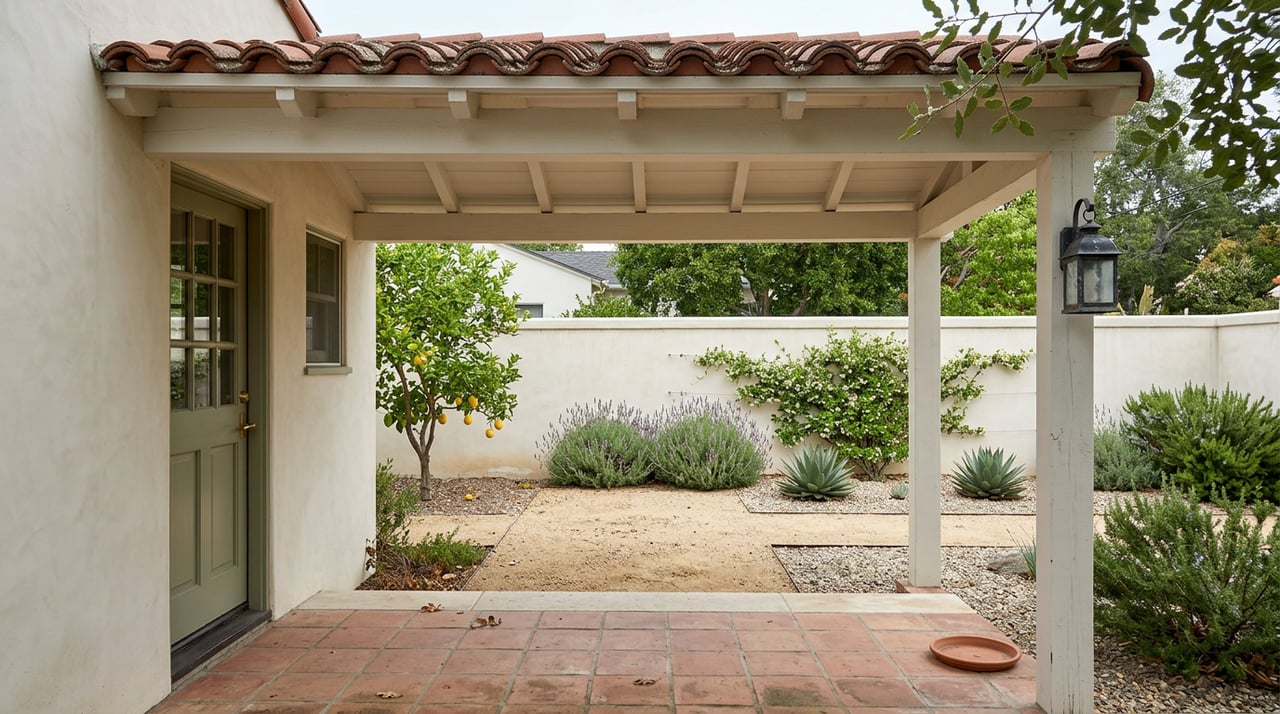
Amenity packages vary widely from one building to another. In California condo projects, common-area or exclusive-use features may include parking spaces, patios, and private yard areas, according to the state guide for residential subdivisions. Some projects may also offer shared recreation spaces such as pools, recreation centers, nature areas, or trails.
In downtown Santa Barbara, it is smart to avoid assumptions. A condo may include dedicated parking, limited outdoor space, or only a few shared features. Because downtown inventory can include mixed-use projects, adaptive-reuse properties, and smaller infill buildings, the amenity mix may feel very different from a large suburban condo community.
Expect Adaptive Reuse and Infill Projects
Downtown Santa Barbara housing is also shaped by adaptive reuse. The city’s adaptive-reuse ordinance is intended to revitalize downtown, preserve historic structures, and reduce construction waste. That means some buyers may come across converted nonresidential buildings, mixed-use properties, or other creative infill housing options.
For empty nesters, this can create interesting choices. You may find homes with more character, a more central location, or a layout that feels different from a typical suburban condo. It is another reason why having local guidance matters, especially if you are comparing several types of downtown properties.
HOA Questions to Ask Before You Buy
Before buying a downtown condo, your due diligence matters just as much as the location. The California Department of Real Estate says HOAs provide yearly budgets, annual financial reporting, and reserve studies that are reviewed at least every three years. Those documents can give you important insight into the building’s condition and the association’s financial health.
Here are key questions to review before you move forward:
- Is the HOA budget current and realistic?
- How strong are the reserve funds?
- Has the association announced any recent or planned special assessments?
- What do the CC&Rs say about owner responsibilities and use restrictions?
- Are there rules that could affect pets, remodeling, parking, or guests?
- Are parking spaces, patios, storage areas, or outdoor spaces deeded separately, exclusive-use common area, or fully shared common area?
These details can affect both daily life and future resale appeal. What looks simple at first glance may work very differently once you review how the property is legally structured.
Governance Matters More Than Buyers Expect
HOA governance may not sound exciting, but it matters. The Department of Real Estate notes that California HOA rules have evolved, including updates that allow some associations to hold meetings entirely online and use electronic secret ballots under certain conditions. Certain board-election meetings may also be reconvened with lower quorum thresholds when turnout is low, as explained in the DRE update on HOA governance.
Why does this matter to you? Because governance affects how decisions get made, how owners stay informed, and how responsive an HOA may be over time. If you are moving from a detached home, this is one of the biggest mindset shifts to understand.
Is Downtown Condo Living Right for You?
A downtown Santa Barbara condo can be a strong fit if you want to simplify home upkeep, stay close to culture and daily conveniences, and enjoy a more walkable environment. It can also make sense if you are ready to trade extra square footage for location and ease. For many empty nesters, that combination feels freeing.
Still, the right fit depends on more than the floor plan. You will want to look closely at the building, the HOA, the parking setup, the outdoor space, and how the property supports your lifestyle now and in the years ahead. A thoughtful move is usually the best move, especially when your next home is part of a broader downsizing or lifestyle transition.
If you are thinking through whether downtown condo living fits your next chapter, All About Seniors offers compassionate, education-first guidance for Santa Barbara area moves, downsizing decisions, and senior housing transitions.
FAQs
What is condo living like in downtown Santa Barbara for empty nesters?
- Downtown condo living often means a lower-upkeep home in a walkable, low-rise setting with easier access to dining, arts, errands, and transit.
What are the main benefits of a downtown Santa Barbara condo compared with a house?
- The main benefits are typically shared maintenance responsibilities, a smaller footprint to manage, and close access to downtown amenities and transportation options.
What should you review about an HOA before buying a downtown Santa Barbara condo?
- You should review the HOA budget, reserve study, annual financial statements, CC&Rs, and any recent or planned special assessments.
Are downtown Santa Barbara condos usually high-rise buildings?
- No. Downtown Santa Barbara condo housing is generally more low-rise and infill-oriented, shaped by local planning and historic design review.
Why does parking and outdoor-space classification matter in a downtown Santa Barbara condo?
- It matters because parking, patios, storage, and outdoor areas may be deeded separately, assigned as exclusive-use common area, or shared, which can affect daily use and resale appeal.